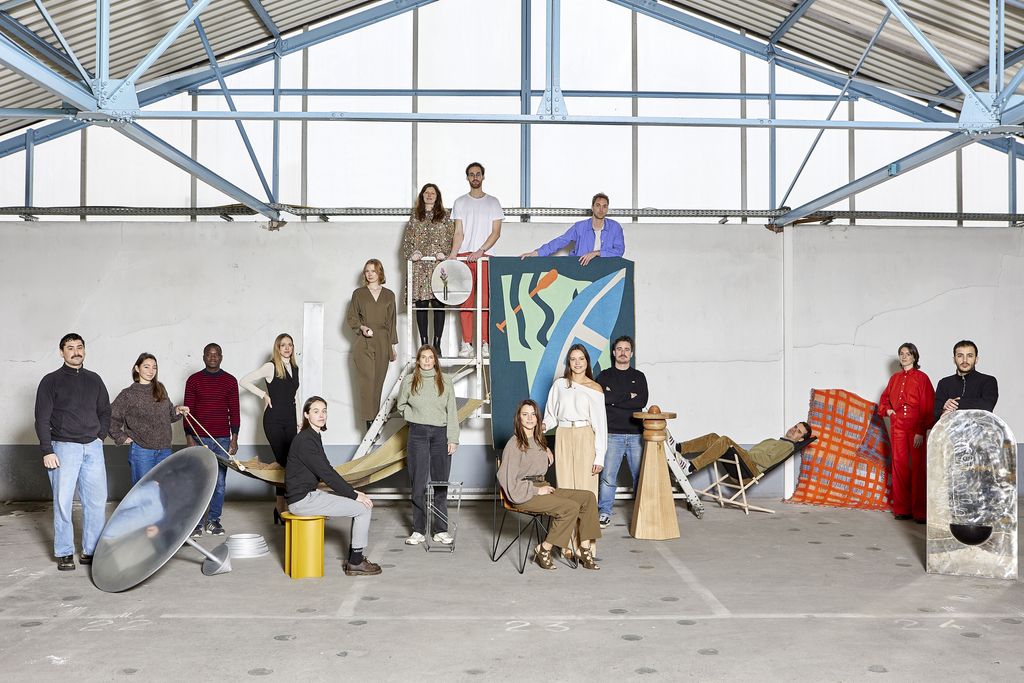
2006–2026: from the rise of social media to that of AI, via growing environ-mental awareness, the revival of craftsmanship, and the re-evaluation of forms and standards, these two decades have led designers to ride the waves of both the industry and the world. To chart their own course and forge new paths.
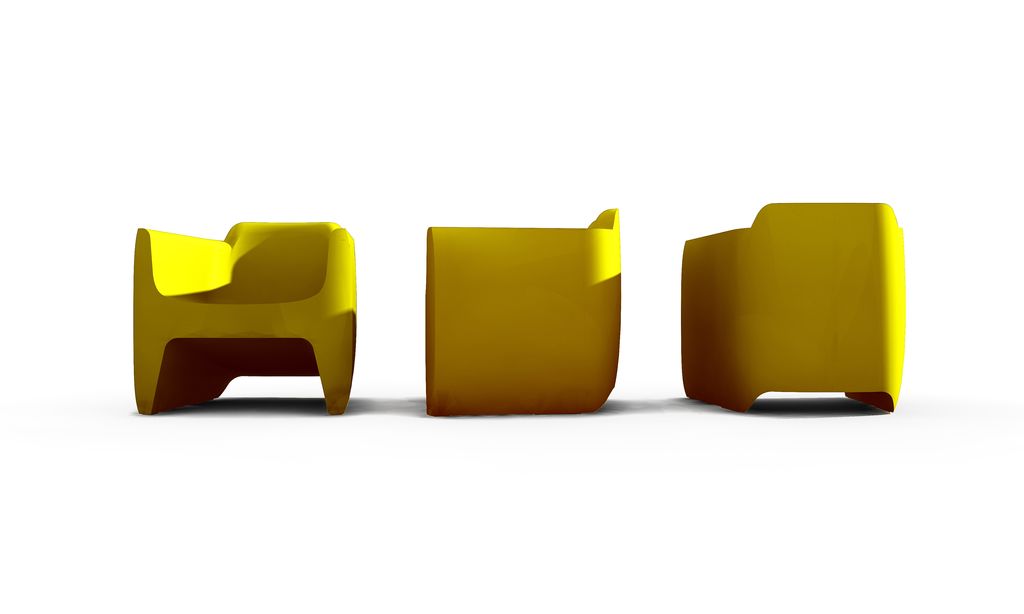
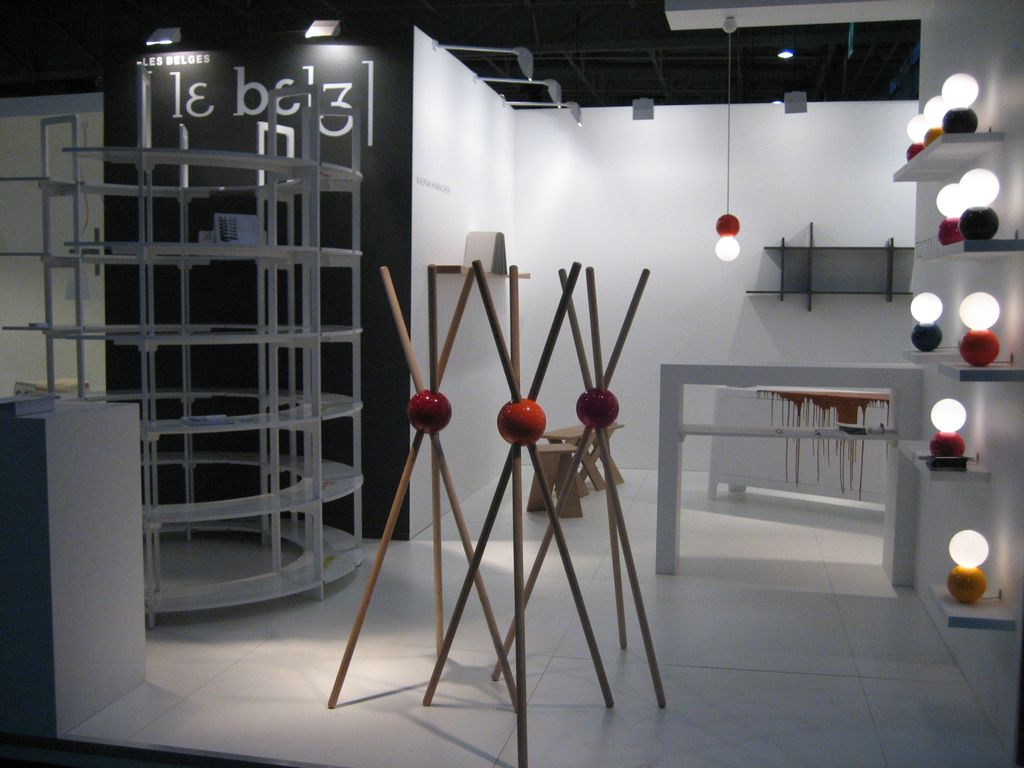
Over a shared coffee we spoke to Alain Gilles, whose early career more or less coincided with that of WBDM. In 2008, Alain had only just opened his studio when he joined a collective WBDM stand at the 100% Design fair in London with a project of an armchair for the French brand Qui est Paul?. Back then, we were still walking around with a paper portfolio,” he recalls with a smile. He himself had already secured what was then the holy grail: a contract with a foreign manufacturer. Nevertheless, alongside his fellow designers, he enjoyed mastering a key aspect of the profession: de-scribing and ‘selling’ his ideas and prototypes ‘in the flesh’.
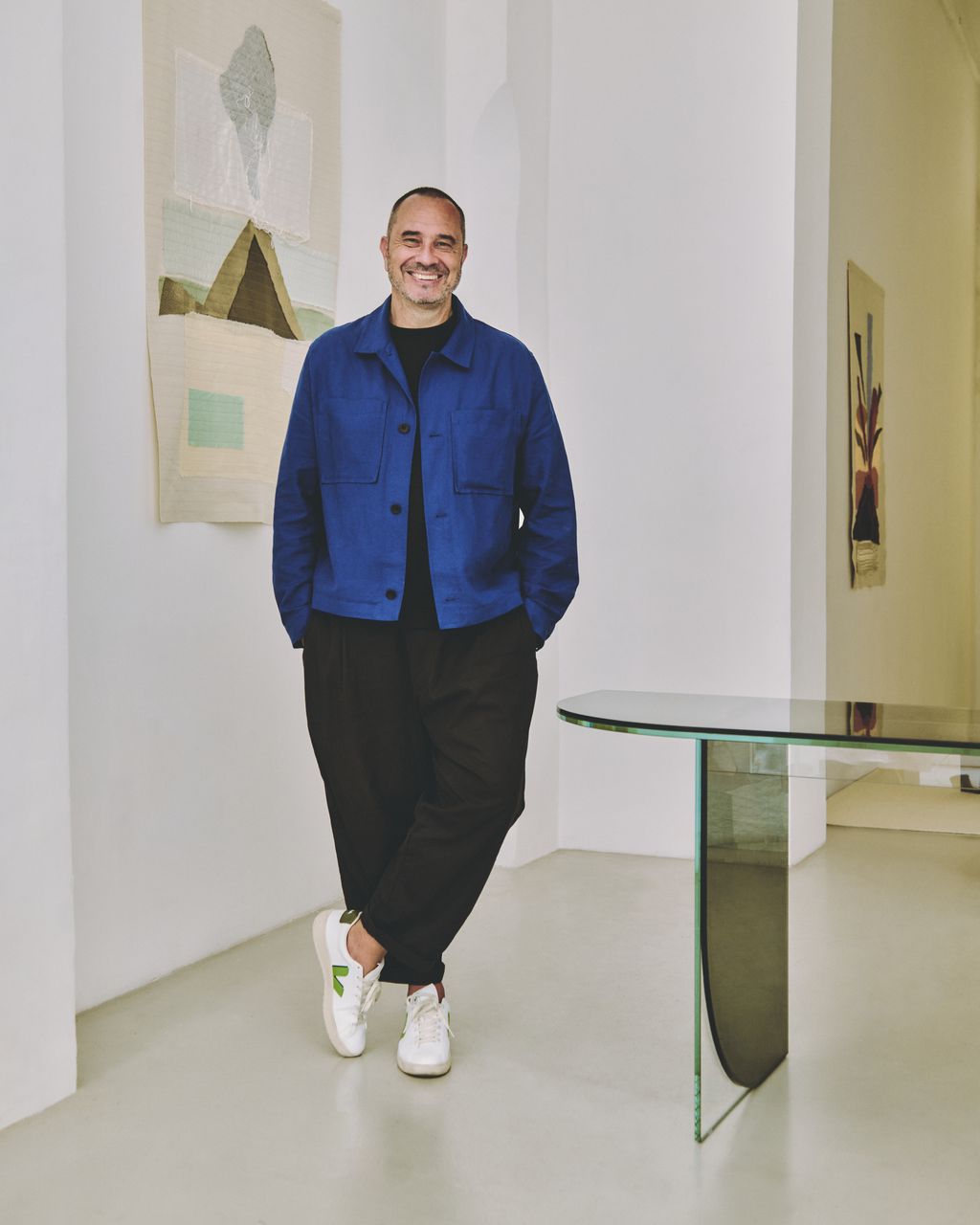
In this respect, the support and guidance provided by WBDM were invaluable to them, just as the collaborative environment and sense of community – of which the agency (and later the Belgium is Design platform) was a cog in the mechanism. Very much part of the zeitgeist. “For me, being a bit older than the other designers, this dynamic of shar-ing was as pleasant as it was surprising. It seems to me that it was much less prevalent in the previous generation. And it’s something that has endured.”
In the late 2000s, whilst images were already circulating on screens, print maga-zines had an aura and significance that they have since lost. Social media, for its part, was only just emerging. Designers were not yet expected to maintain a perfectly curated online presence straight out of university. The discipline certainly already had its stars (including in Belgium), but the spotlight on designers was not as widespread as it is to-day.
In 2008, a major financial crisis was about to rock the sector and the industry. And whilst globalisation continued in parallel (and with it the acceleration of trade with Asia, the impact of which on European production was as significant as it was mixed), the sense of crisis helped to fuel a number of attitudes that have only grown stronger since then. For many designers, self-production has emerged as a viable alternative, either through collaboration with small industrial workshops or via ‘a return to crafts-manship’. All of this has been driven by online sales.
Furthermore, interest in environmental issues has also grown. Healthy, natural and less extractive materials have emerged from their organic niche to become part of the mainstream. Their use has become widespread and accepted by the public. The same goes for reused materials. Pioneers such as Rotor DC have championed their quality and relevance. Patinas and imperfections have come to be seen as desirable. Paradoxically, eco-responsibility has become trendy.
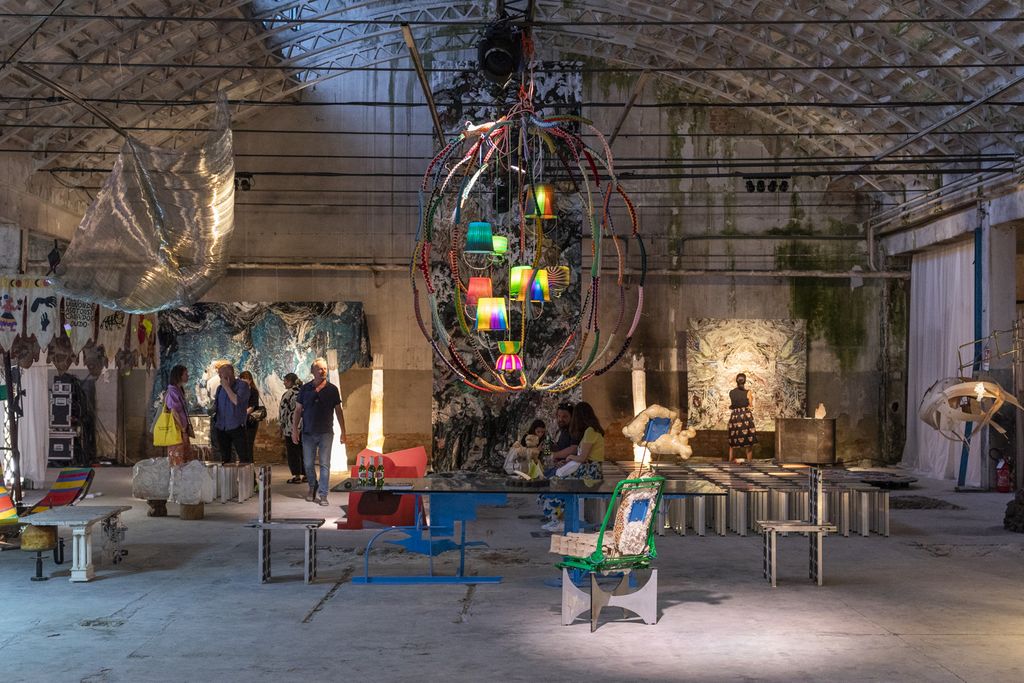
As Alain Gilles notes: “Over two decades, the scope of what is acceptable has broad-ened.” The experimental seeds sown in the 1990s by the Dutch firm Droog Design have proliferated. The most unique and surprising (even bizarre and adventurous) expressions have carved out a place of their own, particularly through collectible design, for which Belgium has become a leading centre. The international success of the Collectible fair bears witness to this every year.
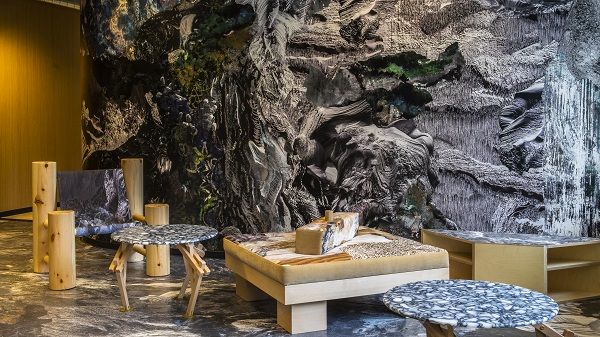
This taste for uniqueness has also spilled over into the contract sector. Through the work of inspired interior designers, bars, hotels, offices and restaurants have become poten-tial clients for art designers and other artisanal designers. A project such as the Mix in Brussels has not only provided a showcase for the talents associated with Lionel Jadot’s Zaventem Ateliers, but has also enabled these designers to scale up their production. Similarly, fans of tubular furniture can now enjoy spotting the made in Brussels café terraces created by Ateliers J&J. And even the world of office design sometimes gives designers free rein (think of the Silversquare projects by Jean-Paul Lespagnard, Studio Krjst and Sébastien Caporusso).
In this globalised world, accelerated by digital technology, the local and international levels are more intertwined than ever. An exhibition or a contract abroad serves as a call-ing card in your own city. And vice versa. This is true in terms of image… and in terms of the challenges to be faced. Having suffered the upheavals of repeated crises, designers and companies must now be ready to bounce back across multiple fronts. Without ever straying from their own unique path. To this end, WBDM has set up a grant programme to fund specialist consultancy, enabling creators to develop a wide range of skills.
Whilst AI is knocking at the door – and it’s difficult to imagine the upheavals it will cause (it’s unlikely to displace the ‘big names’ straight away, but could eventually block the arri-val of new talent) – something seems to be holding firm: the human element. People and touch.
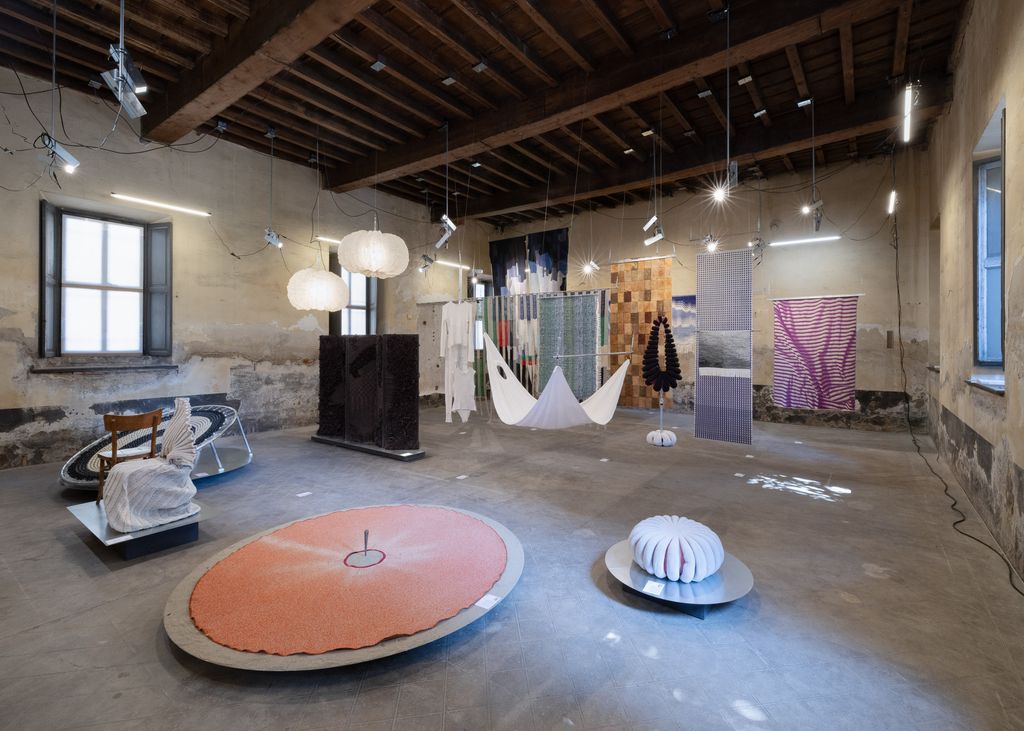
In fact, another surprising resurgence has been taking place over the last few years: that of textile design, through which hands, emotions and machines are weaving new dialogue. The exhibition Woven Whispers, organised in 2025 by Belgium is Design, first at Milan Design Week and then at the CID in Grand-Hornu, illustrates these realms rediscovered and reclaimed by new generations. Waves always begin as whispers.