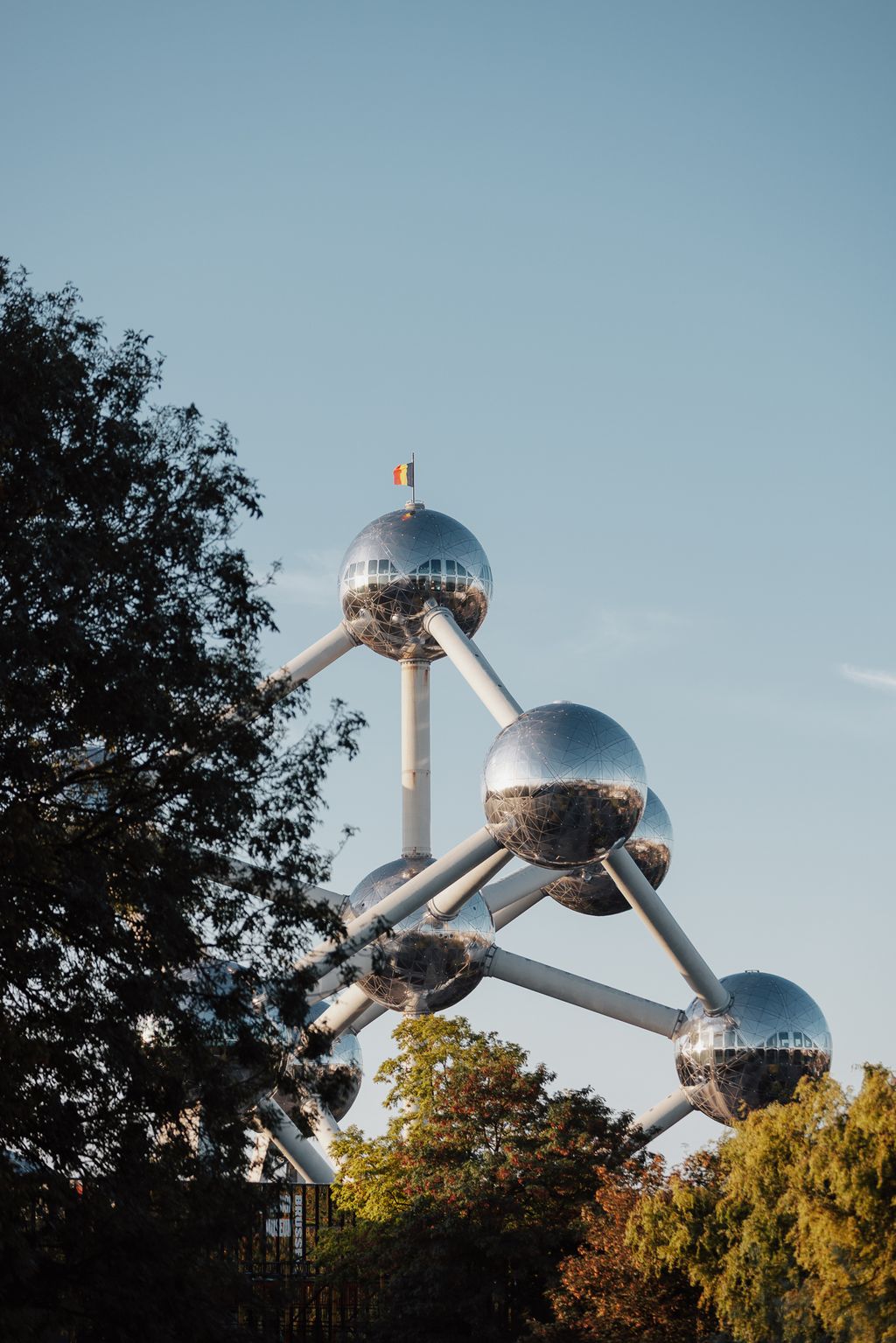
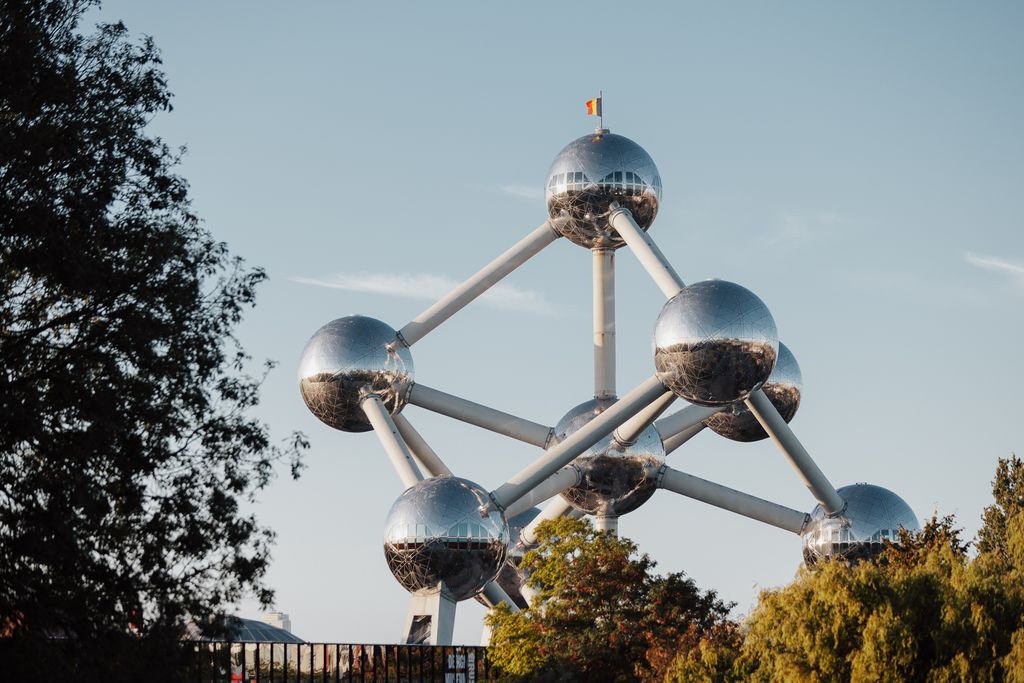
The Atomium hosted the celebrations marking the 20th anniversary of Wallonie-Bruxelles Design Mode. This anniversary coincides with the jubilee marking the completion of its major refurbishment. Arnaud Bozzini, director of the Design Museum Brussels, discusses the impact of this landmark, which electrifies the visual arts on display there. So much so that, to mark the Atomium’s 70th anniversary in 2028, the museum is preparing an exhibition exploring the links between its architecture, science fiction and design.
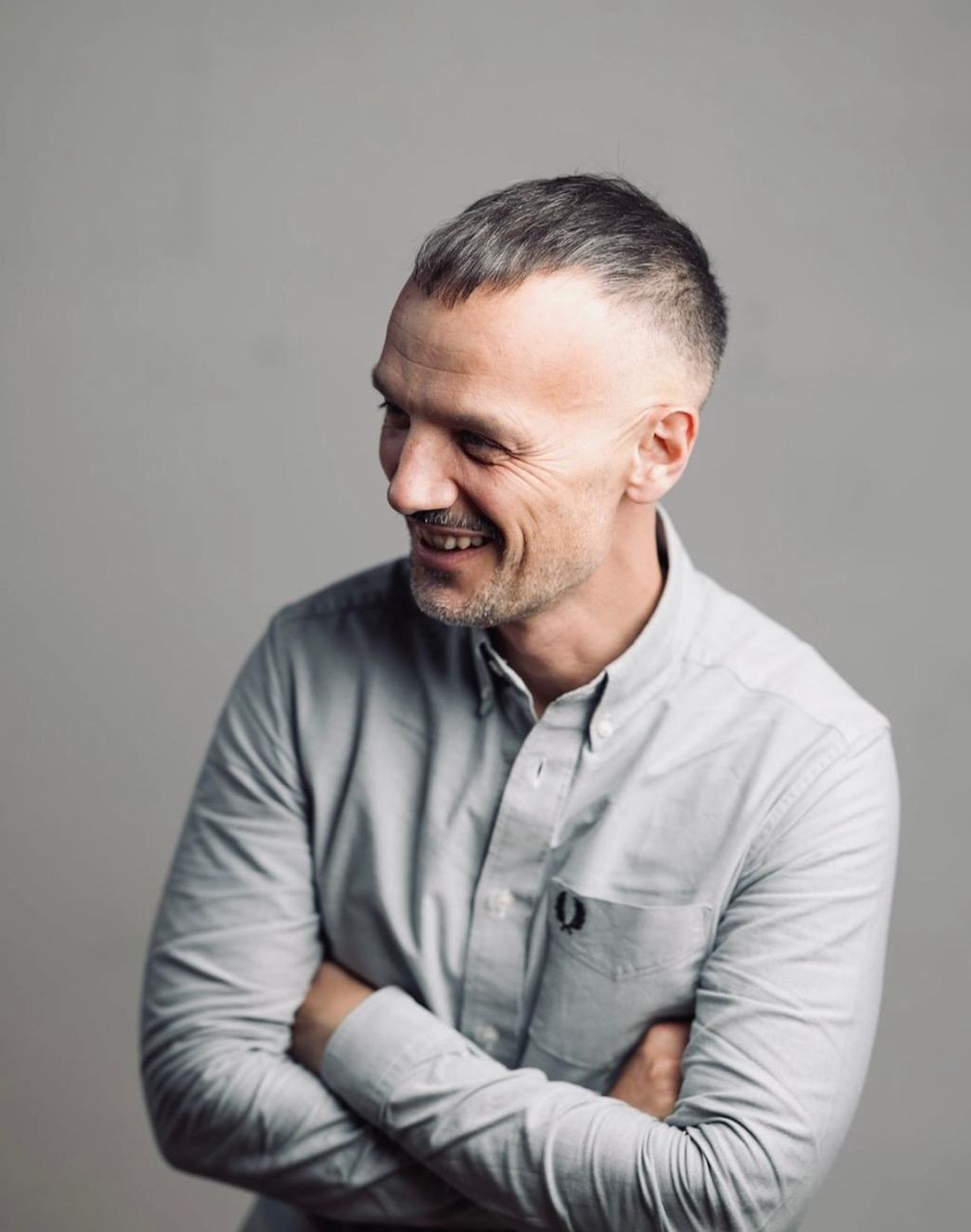
70 years after construction began, in what ways does the Atomium remain iconic?
It is Brussels’s most visited monument, offering an incredible panoramic view, and above all, it’s a significant heritage building. It embodies the memory of Expo ’58, which is still very much alive in Belgian families. It also bears witness to a certain playful ‘Belgian-style’ modernism and has become a cultural venue. Following its renovation (completed in 2006, Ed.), a series of spaces were made available to host exhibitions. The Atomium, which was supposed to have been dismantled six months after its construction, like the other pavilions at the World’s Fair, has become a fixture on the Brussels skyline because the public and the authorities rallied to save this collective memory.
What does WBDM’s work mean to you, and why did you choose to collaborate with the institution?
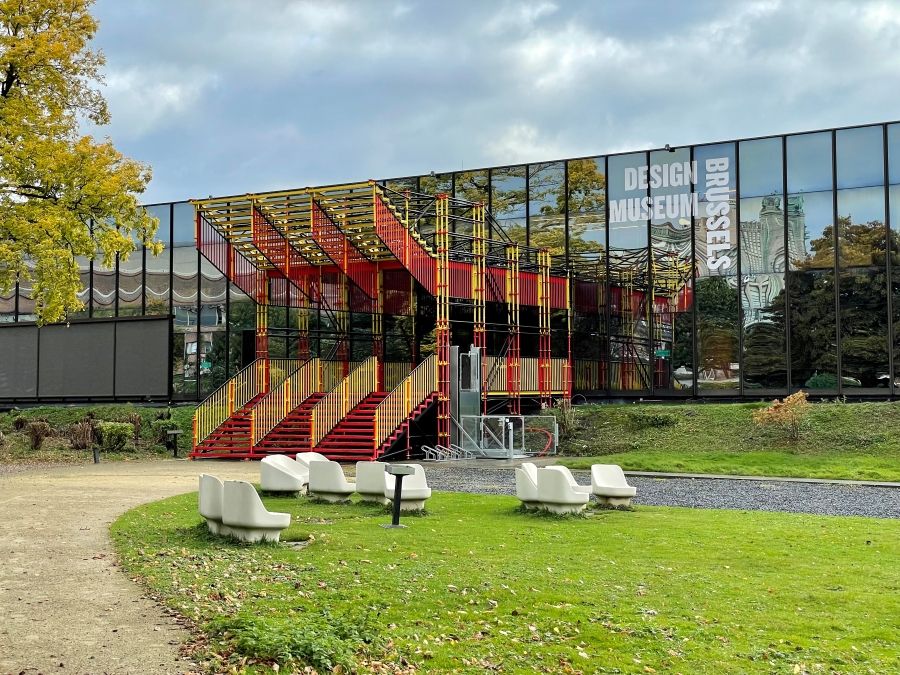
Just like the Atomium, WBDM is a key institution in Belgium’s cultural life and creative industry, and far beyond. Since 1958, the Atomium has embodied a message of modernity with an eye to the future, and today, WBDM is a staunch supporter of fashion and design creation and the professionals involved. We share this DNA and this essence with the public. The Atomium even embodies design in its very essence; it is an object in its own right (which, incidentally, was a basis for the development of the Design Museum Brussels, located next door).
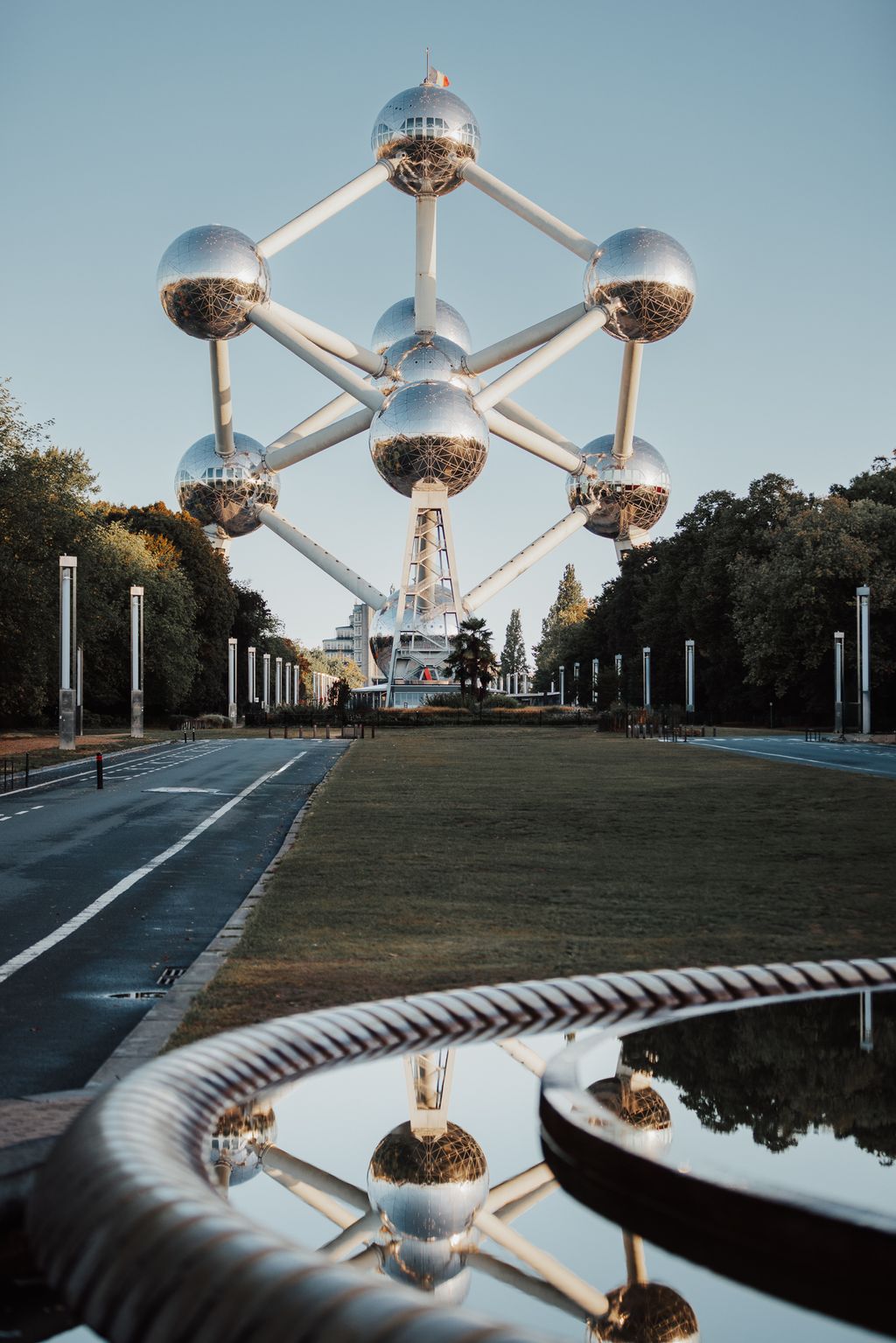
Was the renovation of the Atomium (the addition of stainless steel and LEDs) a major undertaking, and what was the cost?
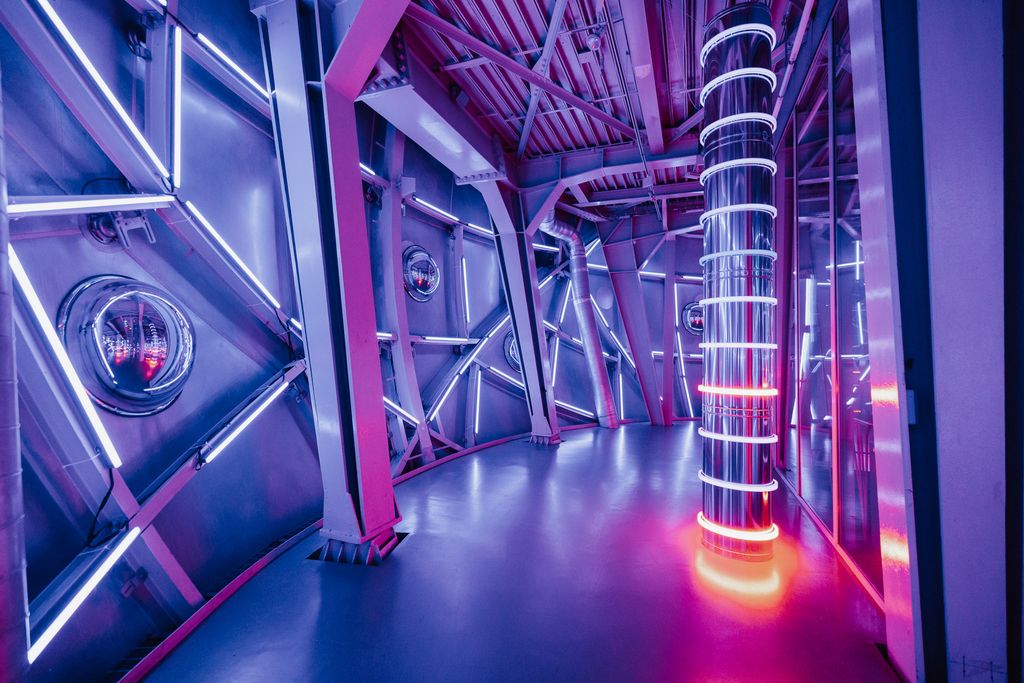
In the 1980s and 1990s, the building was in a calamitous state. It was raining inside, panels were missing, and there was serious talk of dismantling it… The renovation cost around €27 million, funded by the federal government, the Region, the City of Brussels, and the Atomium itself (notably through the sale of the building’s old aluminium panels, which raised €1 million). This structural renovation made up for the total lack of investment since 1958. We’ve switched to stainless steel and modernised the lighting scheme, whilst maintaining immense respect for the heritage of the original work by engineer André Waterkeyn and architects André and Jean Polak.
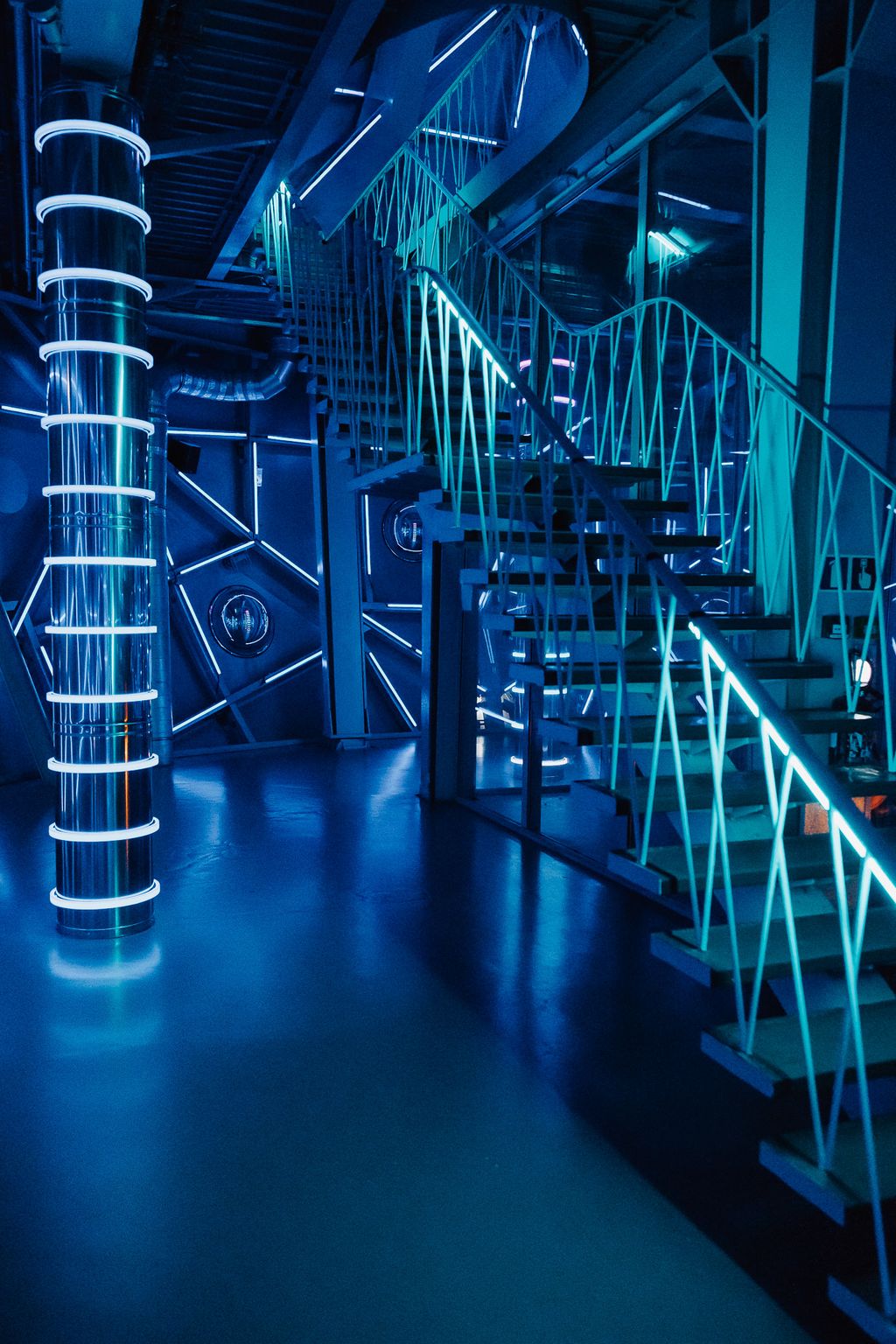
You’re marking this anniversary with digital art installations. How do you create a dialogue between modernist architecture and the present day?
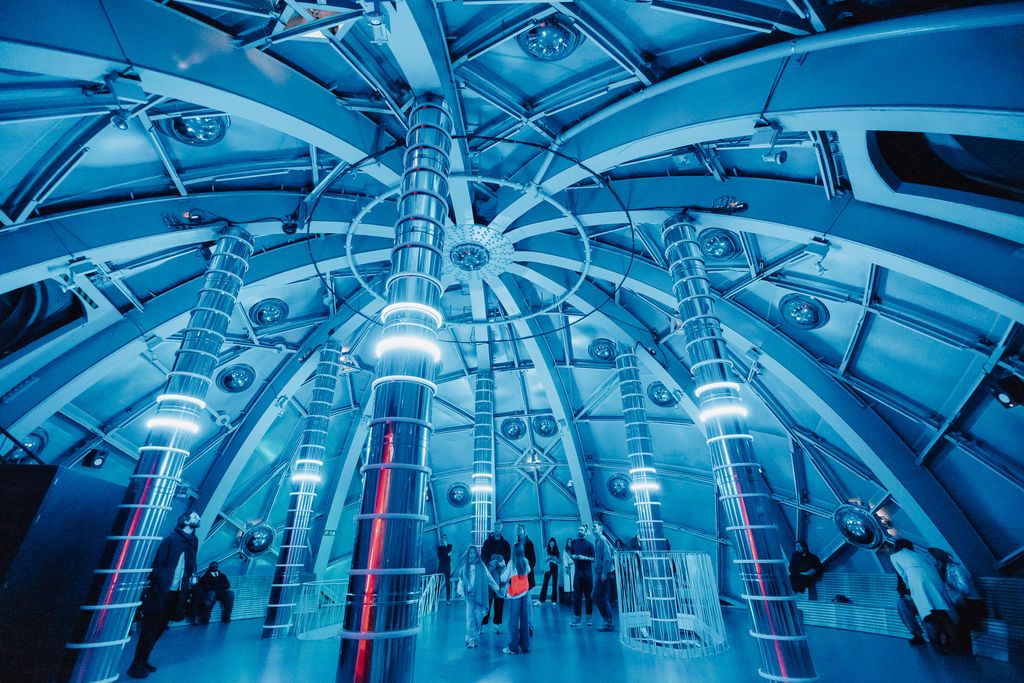
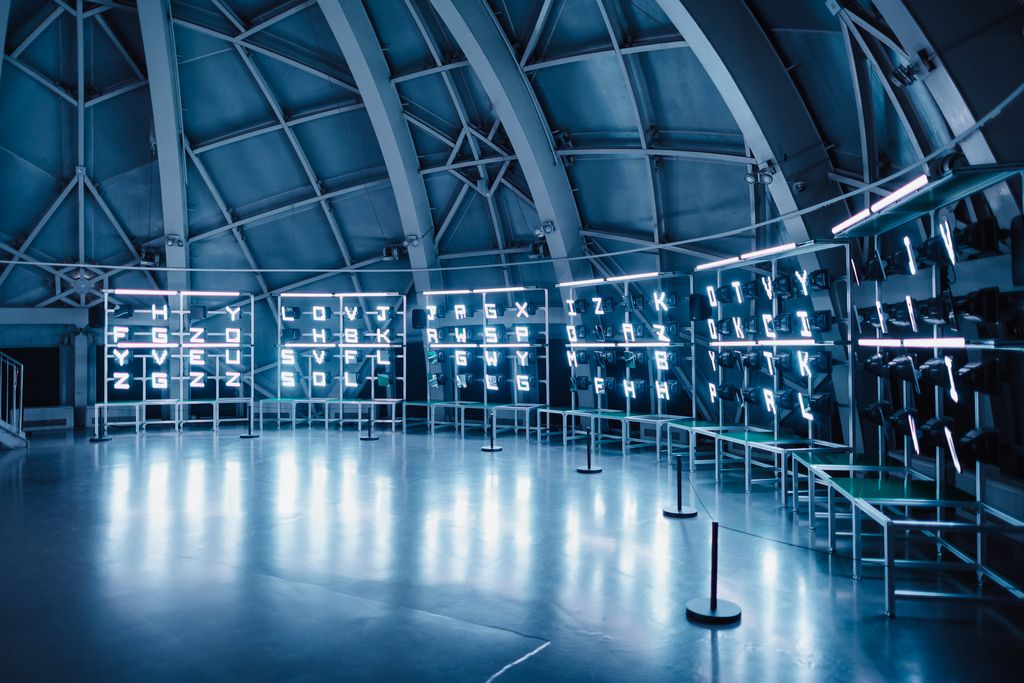
The Atomium has become a true laboratory for exploring how to showcase heritage through digital creation. To mark the 20th anniversary of its renovation, we have several installations: a monumental work by Visual System (with whom we have been collaborating for over 10 years) that takes over a sphere, an escalator and a staircase; an installation by Romain Tardy, selected by an independent jury; and a night-time outdoor work by the Walloon artists Dirty Monitor, accessible from the Heysel plateau. The aim is never to present a work that has already been seen elsewhere: the artists are given carte blanche, but must work in situ – understanding, engaging with and resonating with the building.
From a scenographic perspective, what is the technical challenge involved in integrating artworks into the spheres without distorting them?
It is a major challenge, as we are committed to respecting the building’s heritage. In practical terms, nothing can be drilled into; artists and technicians must therefore find innovative solutions. Today, we are achieving incredible things by using extremely powerful magnets, capable of supporting impressive loads. Projects must adapt to this constraint: we are not a ‘white cube’ for contemporary art, but a heritage site offering immersive experiences accessible to a very wide audience.
Isn’t there a risk that the art might overshadow the appreciation of the Atomium’s architecture?
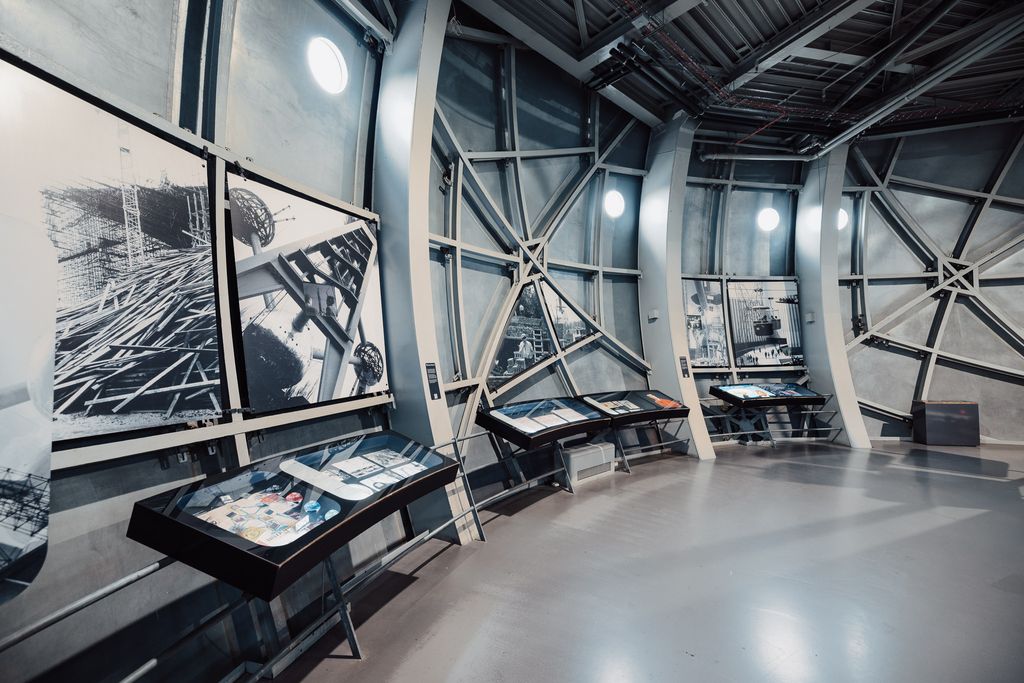
No, because many spaces remain unoccupied. For example, an entire sphere, spread over two levels, is dedicated to the history of Expo ’58 and the Atomium. There, visitors can see the original architecture just as it is. Furthermore, these immersive installations have helped to bring back the local public, particularly in the wake of the pandemic. Today, Belgians make up the largest proportion of our total visitors (over 30%), ahead of those from France, Germany, the Netherlands, Italy and Spain.
How does the institution collaborate with other players in the design ecosystem?
The Atomium and the Design Museum Brussels share the same structure, the same board of directors and the same team, with specialised or shared roles. WBDM is a key partner with whom we are in regular contact. We also maintain this dialogue with MAD Brussels, the Design Museum Ghent, C-Mine and the Fashion & Lace Museum. Each organisation provides the others with whatever they need to help this ecosystem grow.
In 1958, the Atomium emerged from a partnership between architecture and the metalworking industry. Has the dialogue between major industries and designers changed today?
There is neither a complete break nor continuity. I believe a new path, specific to the 21st century, has been forged, shaped by our societal concerns. Mass-produced industrial design still exists, but we are seeing a very clear return to small-scale production, craftsmanship, and materials other than those of the Golden Sixties – a far cry from the ubiquity of plastic. We can see this in the emergence of collectible design, for which Brussels hosts one of the major fairs.
Expo ’58 was steeped in the optimism of the Space Age. In light of the current climate emergency, what positive initiatives do you see emerging in the field of design?
The Atomium celebrated the atom with an almost naïve faith in progress, somewhat overlooking what had happened ten years earlier in 1945… Today, that optimism is no longer the same. These are complex times, and we find ourselves questioning things. Yet contemporary design embodies a quest for progress in our relationship with objects. Materials and tools have changed; initiatives are more widespread and on a human scale, but the essence remains innovation, ergonomics and the search for meaning.
The construction of the Atomium also marked the beginning of ‘Brusselisation’. Today, how do we strike a balance between the modernist heritage that needs preserving and the desire to make a clean sweep of urban planning mistakes?
The hope is that we do not ‘throw the baby out with the bathwater’, as we did in the past with Art Nouveau. Belgian modernism bears the burden of ‘Brusselisation’ and is often blamed for major demolitions, such as the Maison du Peuple. Yet this heritage is the product of a powerful post-war philosophy. It is not a question of becoming fetishistic and listing everything; we must know how to move forward, but fortunately we are more mindful these days. The Atomium is a special case: it was built on a vacant site at Heysel and required no demolition, which has no doubt contributed to its iconic status.
Could we recapture the momentum of 1958 to fund and erect such a daring architectural project today?
It’s hard to say. How much would it cost? And above all, do we still want – or need – to build massive structures of this kind for a temporary exhibition? The Eiffel Tower celebrated the Industrial Revolution; the Atomium celebrated post-war reconstruction and peace through progress; and these monuments stand as testaments to their era. Today, the priorities of World Expos are undoubtedly fundamentally different.
What do you like best about the Atomium?
What fascinates me most is the everyday experience. Arriving in the morning via the Boulevard du Centenaire and seeing the Atomium come into view, as you walk through streets that are quintessentially Brussels, with their well-preserved classical heritage, is always a visual spectacle. Wandering around inside is also a unique experience, almost timeless…