What will be the role of design in the future? In a troubled and changing world, could it enable humanity to reach a ‘better situation’?
A reflective ex-ercise with Alok Nandi, an expert in design dynamics and an advisor to the European Union on these matters. He outlines possible paths for us. A two-way flow.
20 years: the age to look to the future. To see the world as it is and to reflect on how to make your mark on it. We conclude this series of anniversary articles by taking a step back and zooming out. Even if it means considering uncomfortable questions…
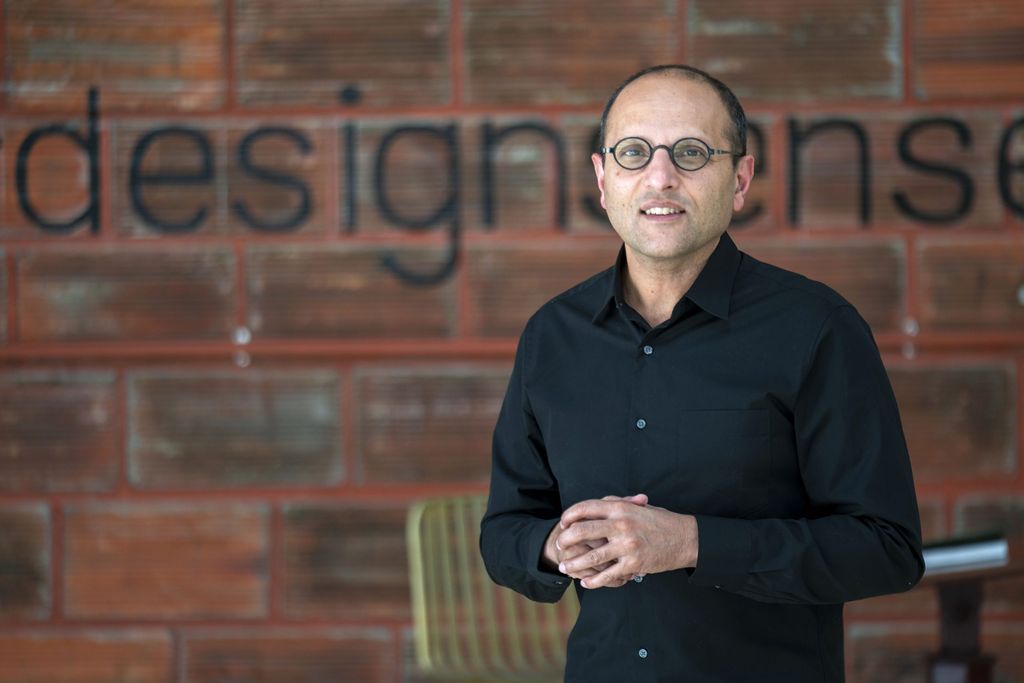
Alok Nandi, whose path has often crossed that of Wallonie Bruxelles Design Mode, offers us a step back and a systemic analysis. As an interdisciplinary designer, Alok has developed expertise in innovation and complex situations. As a lecturer and active member of the IxDA (Interaction Design Association), he is part of the MADres research group, commissioned by the European Union to explore the role of design in the coming decades.

Right from the start, he wonders what is meant by ‘design’. Are we referring to how it is understood in French, as matters relating to furniture, objects and fashion, or are we talking from an English perspective, about a practice with broader scope?
“Design is a profession that aims to create things that do not yet exist.” – states Alok. “It’s a vast field, encompassing the activities covered by WBDM, but also many others.” Digital, industrial and technological design, service design, medical systems design, social innovation… all these are areas where creativity and the search for solutions play a role. All are also areas that face significant challenges.
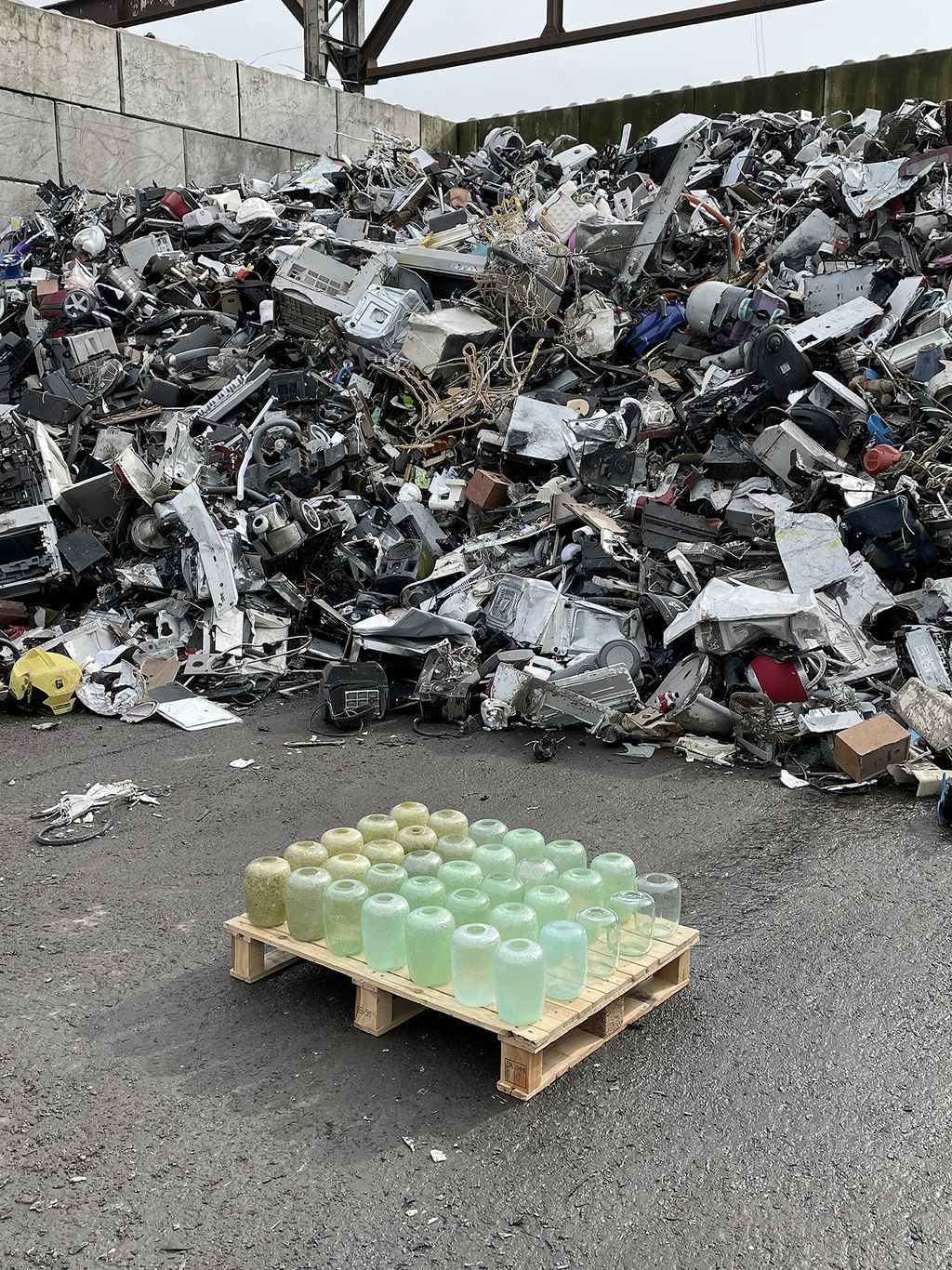
“In Europe, we have long been too spoiled. We’ve had access to vast resources, which often came from elsewhere. Industrial civilisation led us to create a culture of abundance, paying very little heed to the fact that these resources were limited. But that era is coming to an end. You only have to look at what’s happening in the world. We’re enter-ing the era of a battle for resources.
Just go to Jakarta or Mumbai! I reckon these cities are already living in the future. Because they’ve got used to creating with very little. To a form of frugal design, if you like. This will happen to us too, in twenty or thirty years’ time. Mentally, it will be very difficult. How are we going to train designers to create under such conditions?”
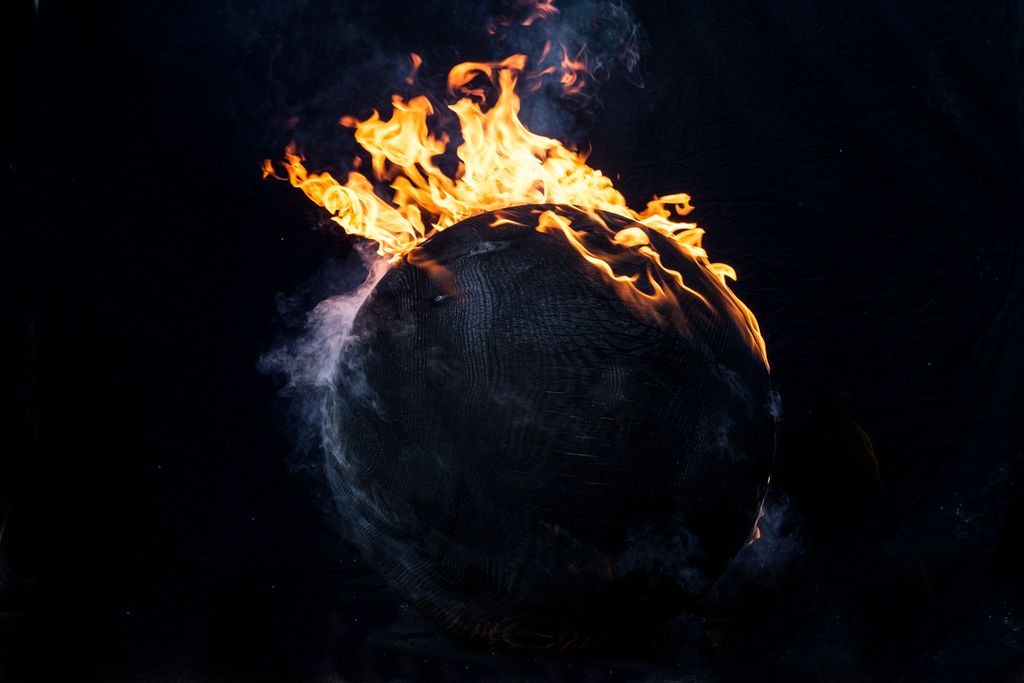
Environmental and social issues emphasise the challenge. “The planet is on fire, and design must be there to minimise that fire. How can we ensure that the objects created adhere to an ethical and climate charter that won’t harm the planet? In theory, many designers are already aware of this, but it’s difficult to put into practice. There is a great deal of inertia within the system. We are victims of the way things have been produced over the last two centuries.”
Admittedly, the alarm bells have been ringing for a long time. At least since The Limits to Growth, published by the Club of Rome in 1972, or Viktor Papanek’s work on the damage caused by our industrial models. Civilisational changes are slow to take effect.
Referring to the economist and Nobel laureate Herbert A. Simon (one of the founding fathers of design thinking), Alok invites us to view design as “an activity that enables us to move from a given situation to a better situation for human beings. It’s a very broad definition, but an interesting one because it speaks of situations rather than objects.” After all, what benefits humans is not the act of ‘owning an object’, but enjoying what it provides. Today, some firms are moving away from selling products and starting to hired them out.
Such strategies could help limit overproduction “but they are only feasible on a large scale.” It’s hard to imagine a young designer embarking on such a venture alone. Questions of scale and resources are crucial. “Any design activity is an entrepreneurial endeavour: you take matters into your own hands and bring things into being. You can therefore take the initiative for your neighbourhood, your town or a more ambitious space. But that requires greater resources.”
Design capable of making a difference, capable of moving us from the current given situation to a better situation, will require resources (financial, human, material, scientific, etc.). By highlighting this rather metalevel truth, Alok Nandi echoes the conclusions of the MADres research group, which urges the European Union to invest in innovation and in the organisations that foster such innovation (schools, public agencies, etc.). “We need a top-down flow from public authorities to stakeholders and a bottom-up flow from designers to the collective.” In other words, public authorities must encourage change, and designers’ creativity must be directed towards the common good.
“We could draw a parallel with health, which, like design, is a word with multiple meanings. Do we want to focus on Cure or Care? For we can stick to a curative approach, constantly trying to fix a problematic situation, or we can focus on care and prevention. Preventing problems. One might say that design isn’t there to make things, but to create the conditions for things to be experienced in an appropriate way.”
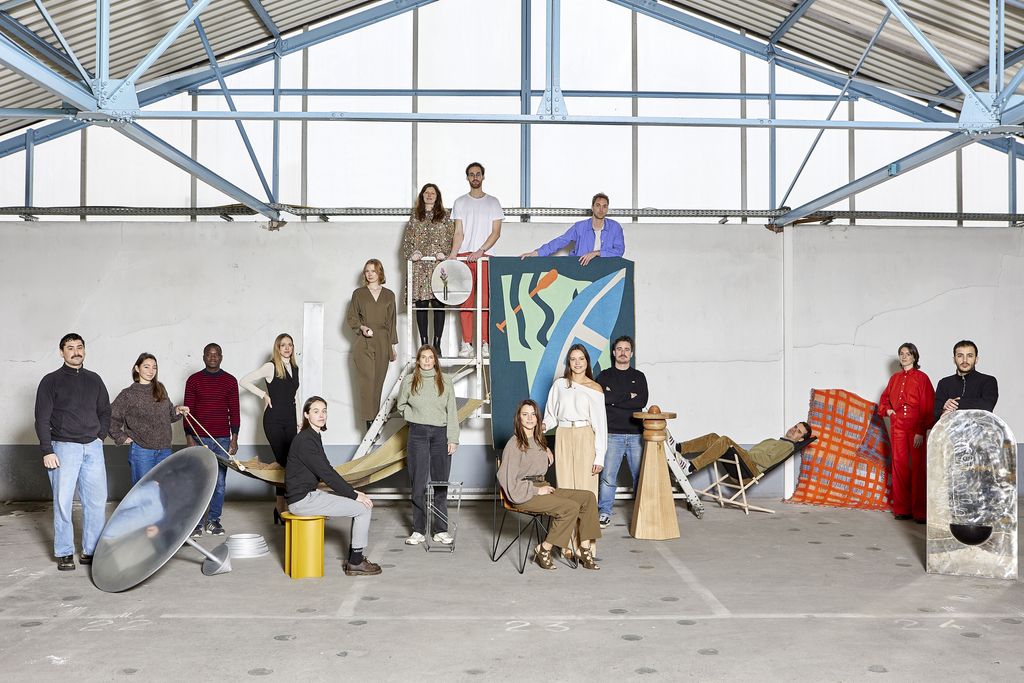
“Design and our society remain focused on ‘the things that need to be produced’. But a shift is taking place from product to mindset. Many young people are engaged in this line of thinking. I believe that this work on mindset can create a positive collective imagination. How? That’s the big question. But for their part, it provides momentum. A similar momentum must come from public policy, and young people must be able to take ownership of it. This requires them to regain a sense of trust in the system.”