Emerging from a collaboration between ‘united institutions’ (WBDM, Flanders District of Creativity & MAD Brussels), the Belgium is Design label has been making waves for fifteen years. Enough to help shape a national brand image. Open and full of personalities… in the plural.
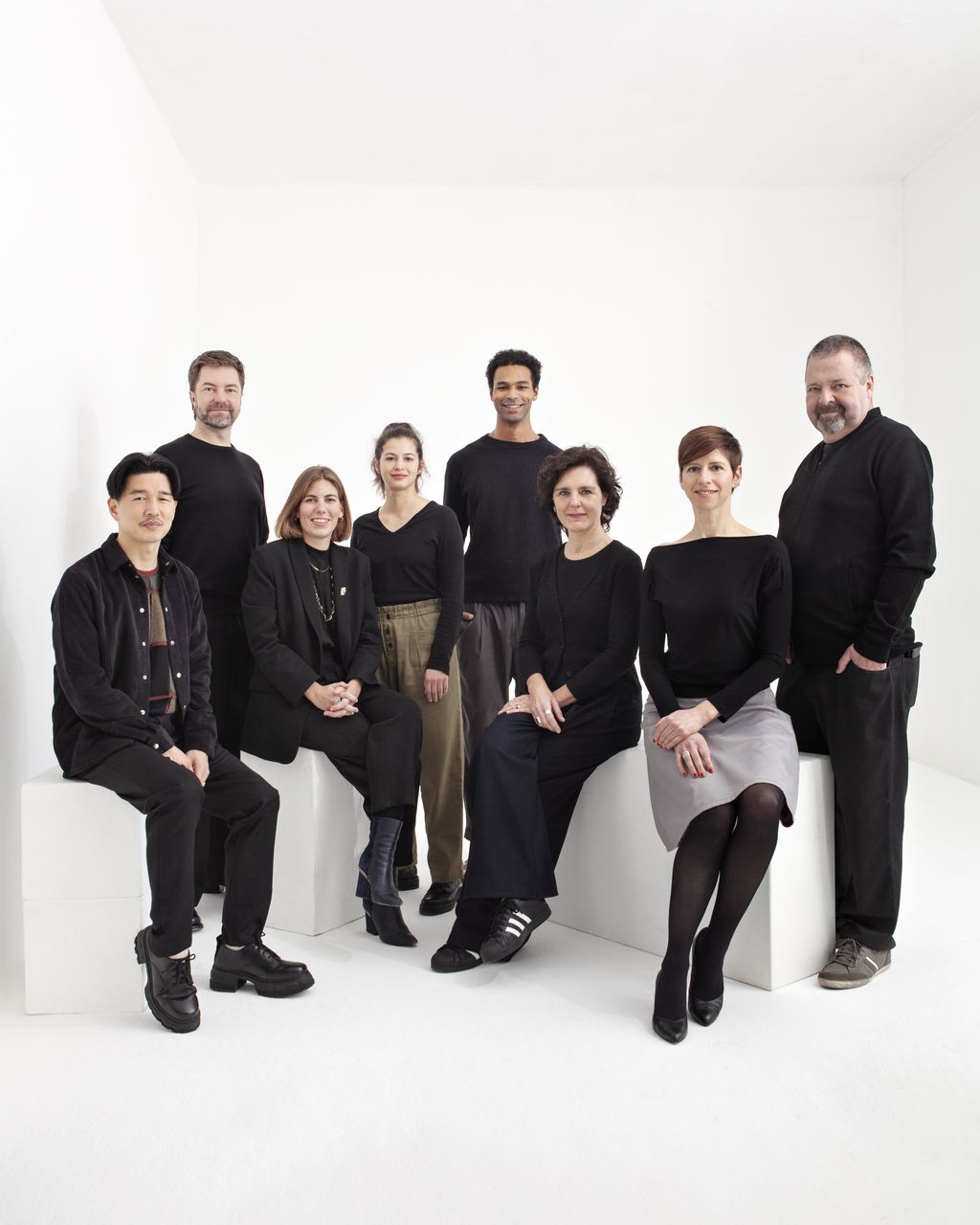
“If you’ve understood Belgium correctly, it’s been explained to you badly!” This quip applies to many contexts. Including that of Belgian design. In a discipline where people love to wave national flags (the famous Italian, Scandinavian and Japanese designs…), explaining the specific characteristics of the Walloon, Flemish and Brussels regions can be tricky. Especially when dealing with foreign partners or journalists. In this sense, the partnership between WBDM, Flanders District of Creativity and MAD Brussels is a welcome development. And a pragmatic one.
This desire for convergence actually arose from the ground and from the designers themselves. Subsequently, whilst WBDM, Design Vlaanderen and MAD Brussels had become accustomed to organising separate events (in Belgium and abroad), joint initiatives gradually began to take shape. Initially in terms of communication alone, then in terms of a certain artistic direction.
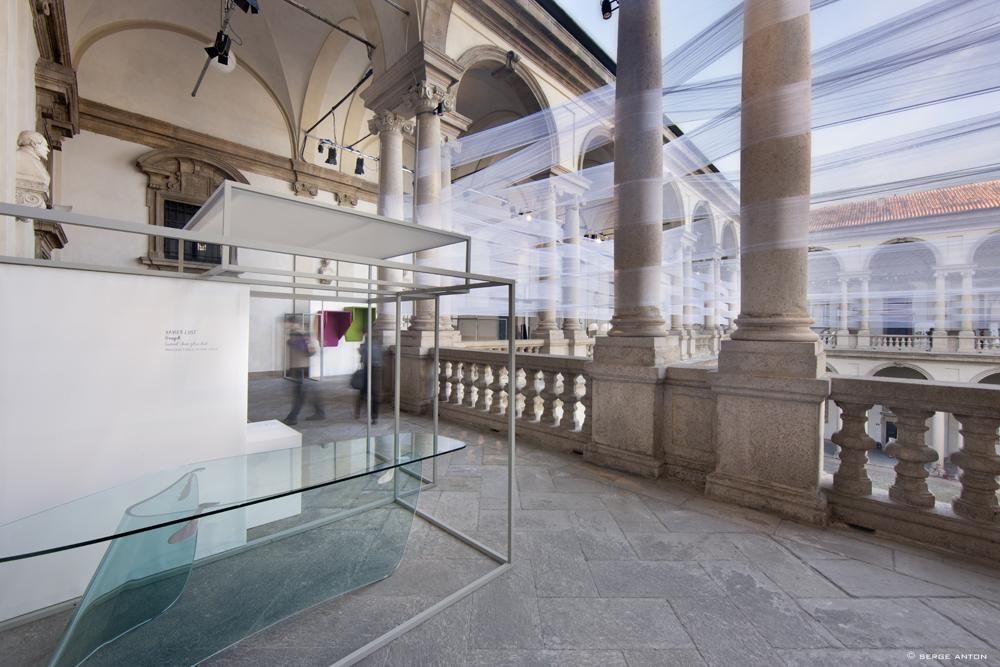
It was in Milan that the Belgium is Design label first appeared in 2011. Whilst a Belgian Design Map listed Belgian presence across the city, the prestigious Pinacoteca di Brera hosted the exhibition Light and Lightness in Belgian design, whose curator, Giovanna Massoni, already had a strong track record of fostering typically Belgian connections in Lombardy.
Given the institutional patchwork that is Belgium, this collaboration had something heroic and improbable to it. Almost political. Above all, it reflected the reality of a genuinely diverse Belgian scene.
The name Belgium is design had, in fact, been borrowed from a Design Vlaanderen exhibition staged in Wallonia (at the Grand-Hornu Images now Centre d’innovation et des design at Grand-Hornu) and curated by Brussels-based Lise Coirier. The label was, in short, a genuine piece of Belgian design in its own right!
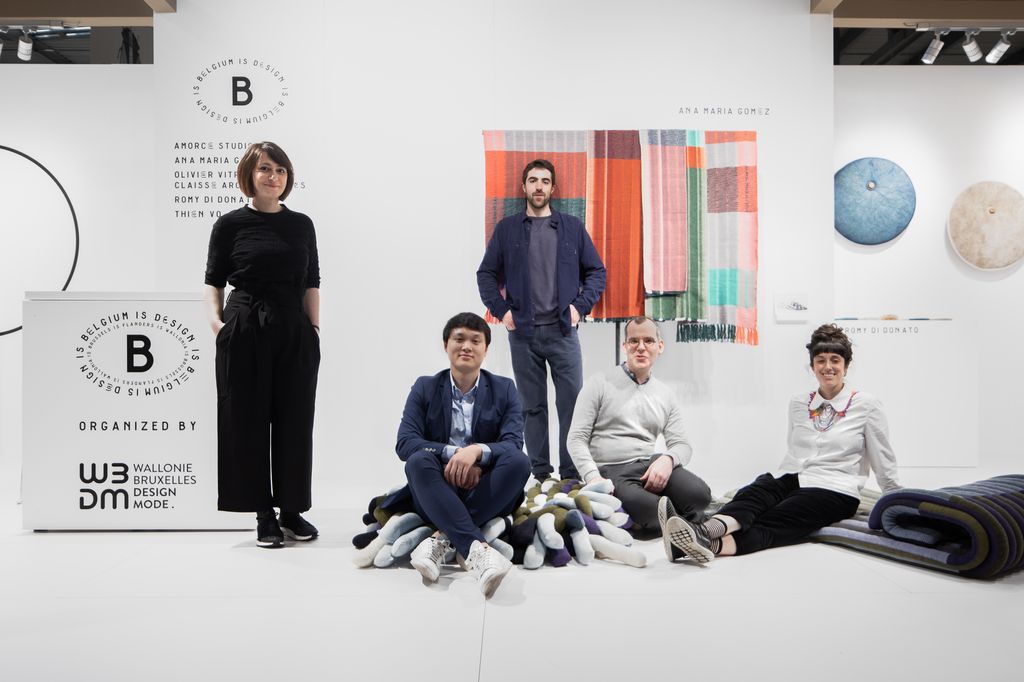
Behind the scenes, each institution continued to pursue its own initiatives and objectives, with its own economic attachés, but in the eyes of the press and the public, Belgium is Design acted as a single label capable of bridging the gap between the showrooms and stands of Belgian brands, designers signed to international manufacturers, young designers competing at the SaloneSatellite, delegations to Maison&Objet and even more cultural exhibitions, which Giovanna Massoni has curated on several occasions. “I’ve always felt it was important to propose a theme that could guide and inspire designers. In my view, even a commercial exhibition should convey principles and values.”
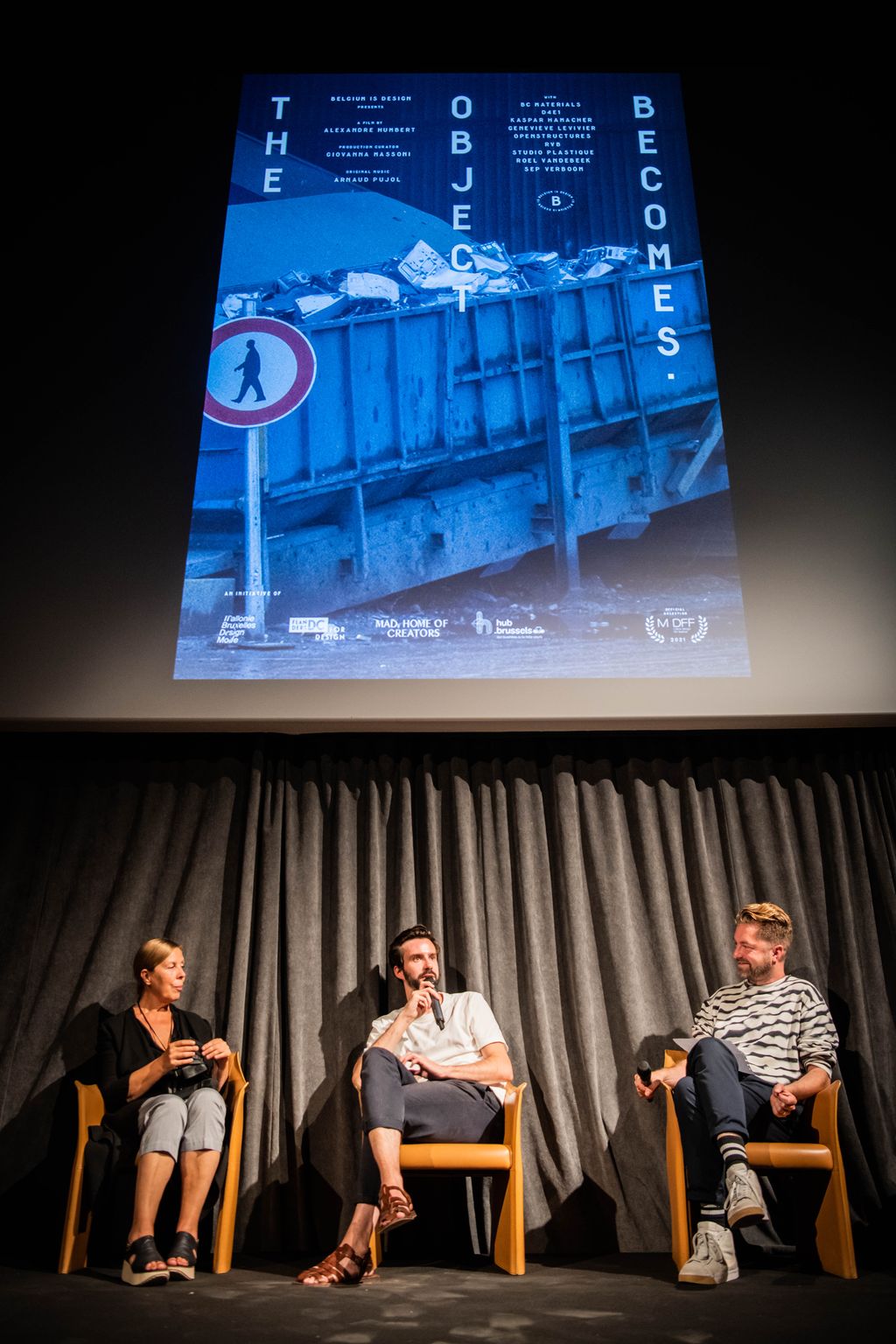
As for principles and values, this Milanese-born Brussels resident has never ceased to find them among the designers of her adopted country. This focus lies at the heart of her latest curation for Belgium is Design: the film The object becomes. (2021). Filmed in the midst of the Covid pandemic with videographer Alexandre Humbert, this fascinating film illustrates how various studios tackle the challenges of our time (the scarcity of materials and respecting them, production methods, new uses, etc.). Each in their own way.
Does the identity of Belgian design lie in these diverse commitments? “If there is such a thing as ‘Belgitude’, I believe it arises from contrast. There are so many different cultures and nationalities here, which both attract one another and yet never quite manage to blend together. And that’s just as well! This brings diversity, which is a source of richness. And a great sense of individual freshness.”
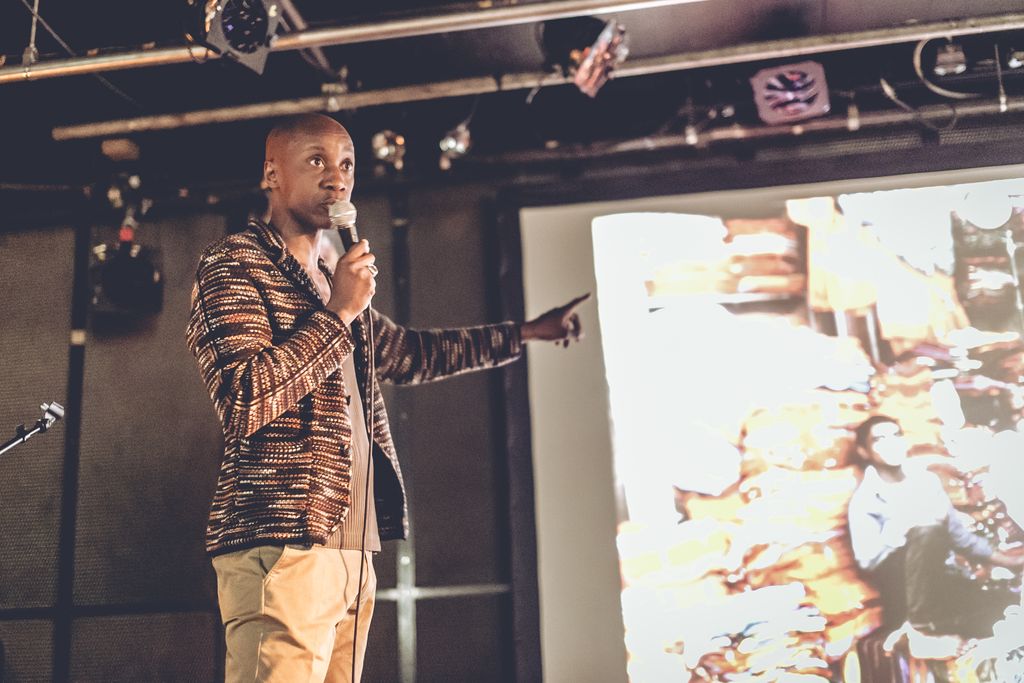
As a keen observer of international design, Guy-Claude Agboton, Deputy Editor-in-Chief of French magazine Ideat, seems to share this view.
“Whenever I come to Belgium, I’m struck by the fact that I meet new talent every time, who appear to me as a host of individuals who have developed their own distinct per-sonalities. It happens elsewhere, of course, but not to the same extent as in Belgium, where I never manage to pigeonhole designers into a sort of Happy Families game.”
The absence of a strong industry and tradition (as in Italy, France or Scandinavia) undoubtedly takes a certain weight off Belgian designers’ shoulders. Guy-Claude is none-theless impressed by the diversity and strength of these unique worlds.
“I’m always pleasantly surprised when I come to Belgium. I say that without flattery, and I’m generally a rather harsh critic. I notice that here, you’re constantly shifting from one register to another. These registers have friction between them, and that stimulates you intellectually. This is all the more true because encounters here always happen in a very natural way. You don’t have that in France, where we are more reserved, and where social circles are more compartmentalised.”
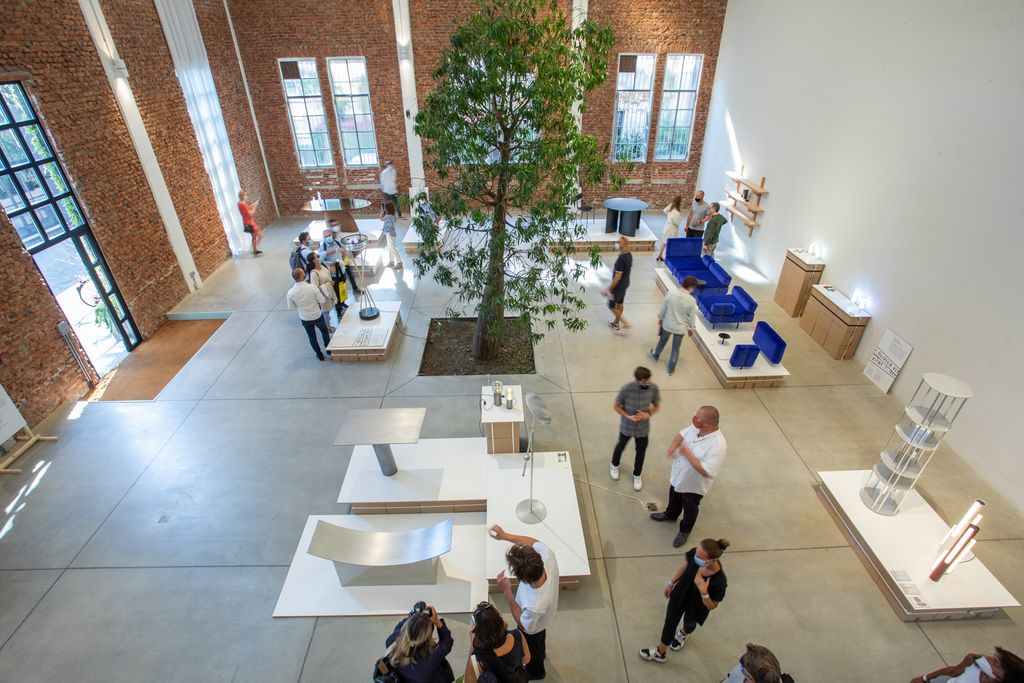
For a journalist on the lookout for new ideas, this easy contact is a godsend.
“Our magazine produced two Belgium special issues, and I must say that to create them, it was enough for me simply to report on what I had seen during my visits to Belgium or at international trade fairs. If we found it so easy, it’s also because groundwork had been done over many years to connect and promote all this talent.”