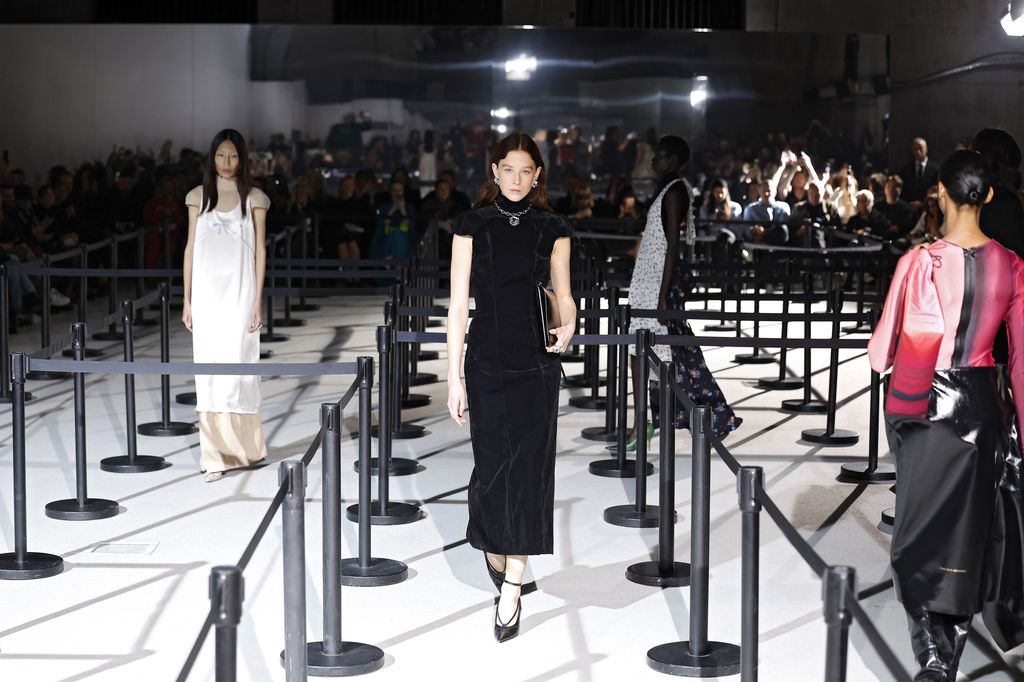
For 20 years now, WBDM has been championing key values that still resonate just as strongly with us today. Independence, creativity, mutual support, intelligence and innovation are all words that are part of its vocabulary.
Over the years, WBDM has adapted to a fashion landscape deeply transformed by technology, developing its support to make it more accurate and relevant.
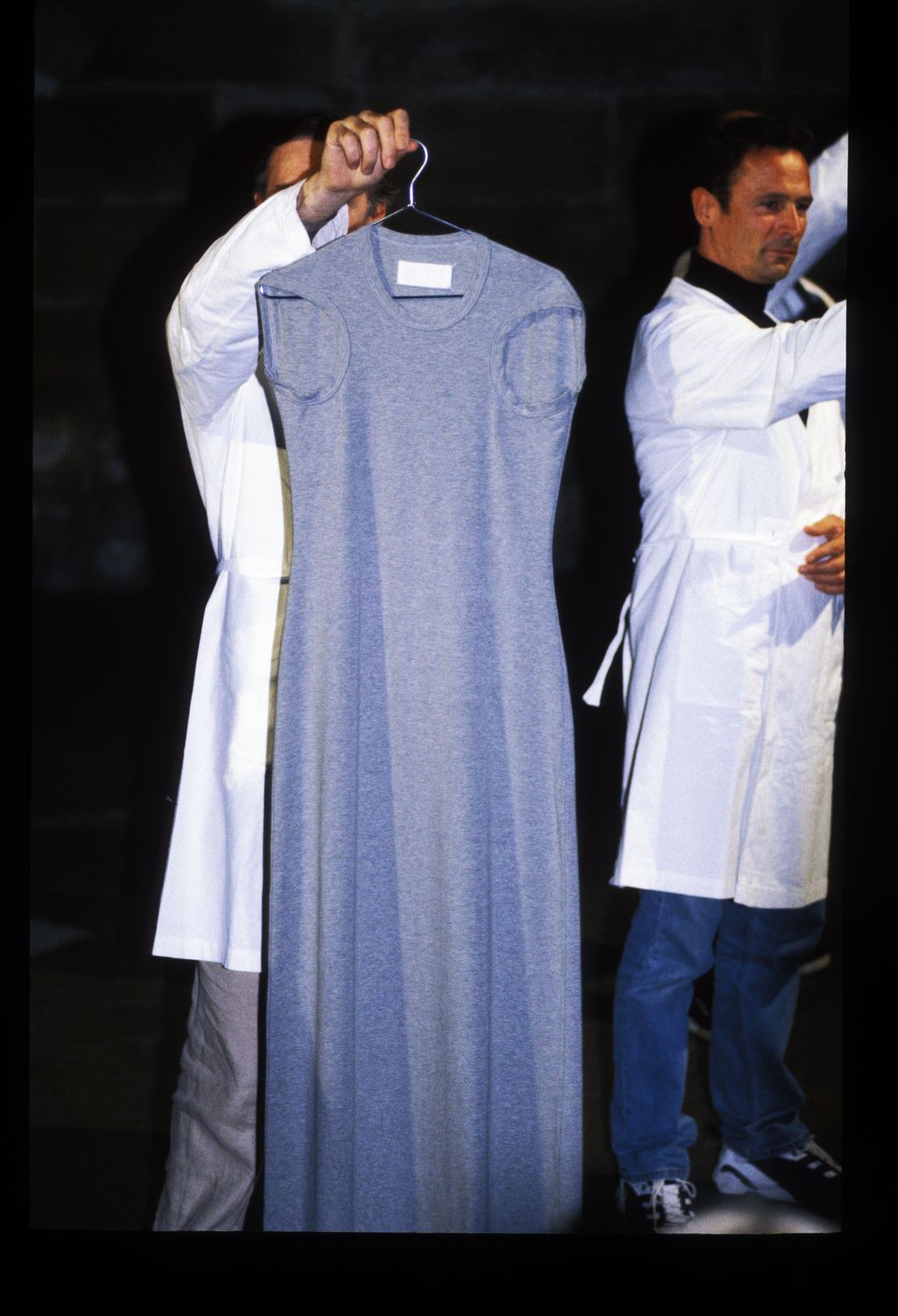
In the early 2000s, the fashion industry was still a territory reserved for a minority who created and dictated trends. A small group of buyers, journalists and industry figures held considerable influence and could almost propel designers into meteoric careers. Since the 1990s, Belgian designers have been highly regarded by the industry, but the rise of major groups has created new divisions and made the notion of independence rarer and more complex than before, as explained by Brussels-based fashion journalist Anne-Françoise Moyson:
What has truly shaken up the industry the most is the overwhelming power of these large luxury groups, which have not only swallowed everything up but also dictated the rules of the fashion industry that we are all obliged to follow.
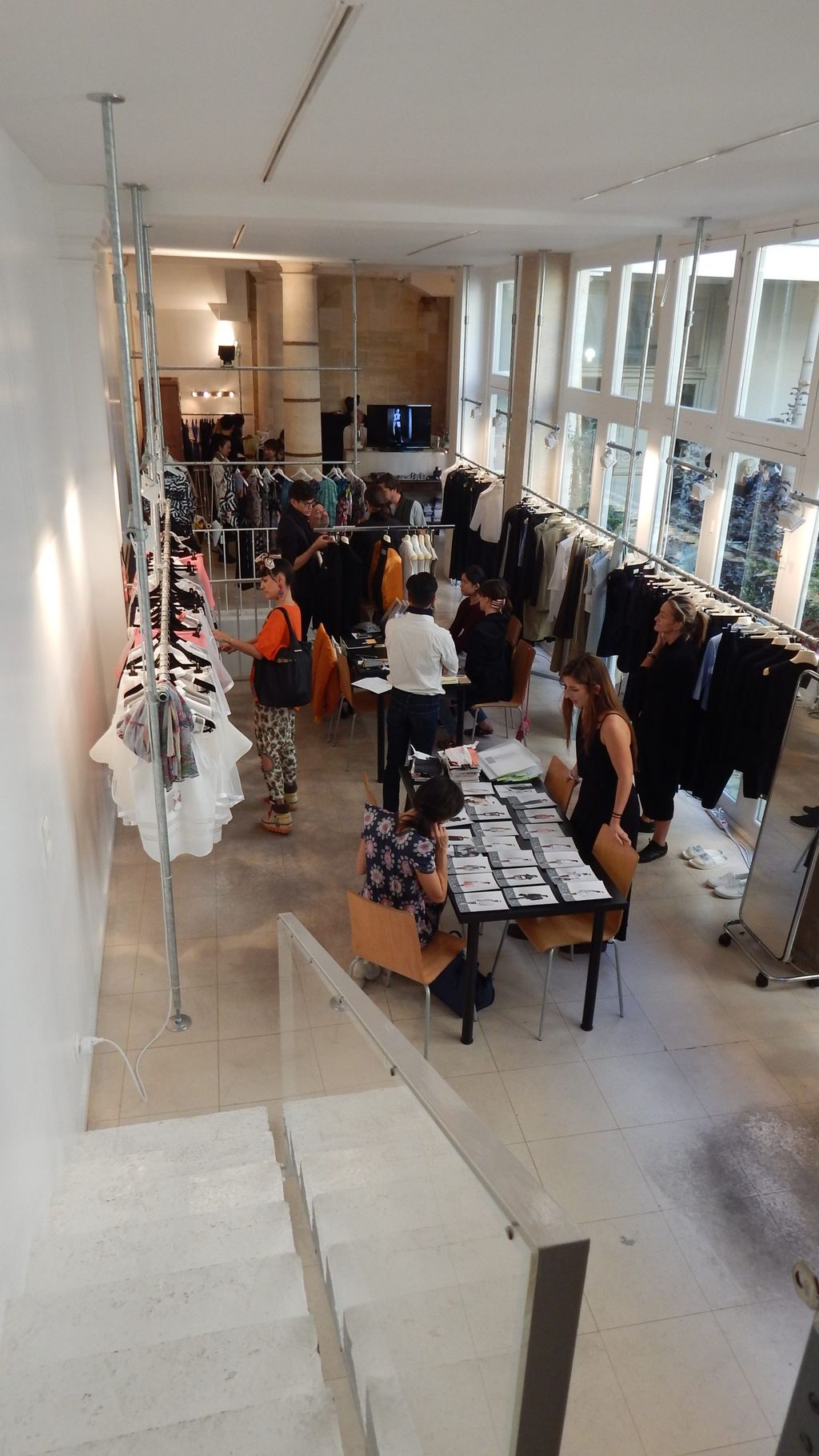
When WBDM began its journey in fashion, the showroom remained the most reliable foundation for real commercial development. Each season, international buyers travel to Paris and take the time to visit multi-brand showrooms to discover their selection of new talent. It is through this channel that FILLES A PAPA, Alice Knackfuss, Marc-Philippe Coudeyre, KRJST or Jean-Paul Lespagnard are seeing their brands develop internationally, becoming key figures of a new Belgian fashion encompassing Brussels and Wallonia. Working in close collaboration with the No Season showroom in Paris, WBDM closely follows the development of these brands and supports them during the Paris fashion weeks.
The arrival of Instagram – and other social networks – profoundly transformed a sector that was already struggling to protect itself from an increasingly noticeable saturation. Although independent brands can use these new tools to promote their work, since 2014 there has been an explosion of designer labels whose future rarely proves sustainable. The rise of influencers also marked the end of an elitist system that relied on controlling who could – or could not – be part of the fashion inner circle. Democratisation then became inevitable, driving the growth of increasingly aggressive fast fashion alongside the rise of major luxury groups, whose financial – and media – power continues to expand.
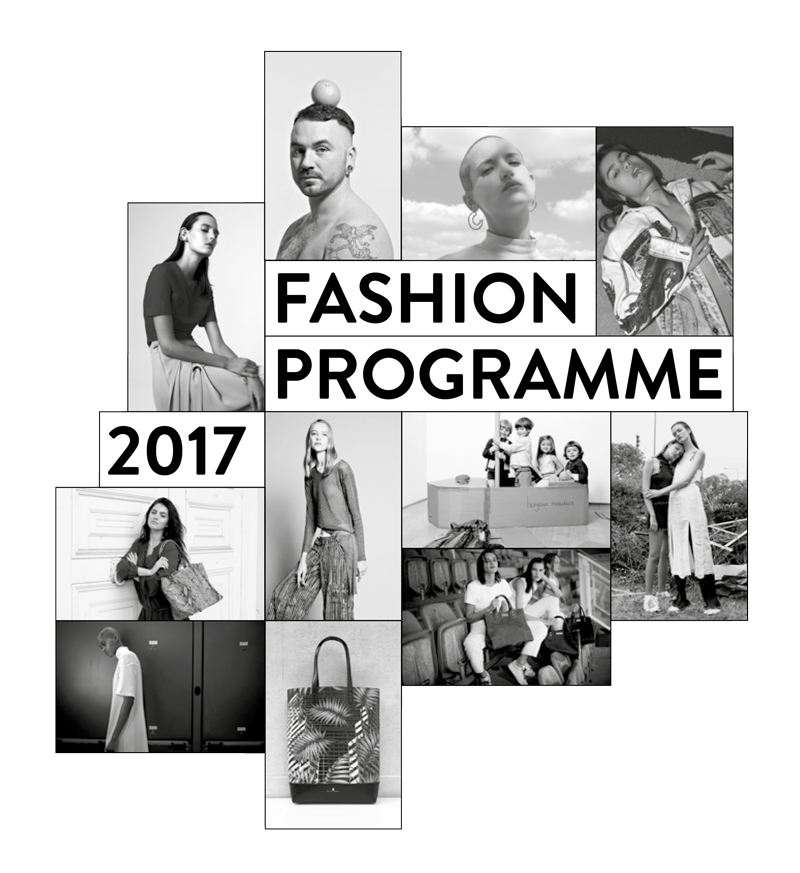
It was in 2017 that WBDM launched a new version of its Fashion Programme, fully aware of market developments and the need for more personalised support. Three years later, the pandemic brought everything to a complete halt, and fashion had to exist without showrooms or runway shows. Online sales surged during this period, and independent brands that had invested in their e-commerce emerged stronger.
WBDM then introduced additional grants to coach designers and support them in their strategy. The financial assistance offered by the institution could now be directed toward communication, sales or even events. A far more ‘tailor-made’ approach is now being discussed rather than a generic one, identifying the urgent needs of these brands and providing concrete solutions to their problems.
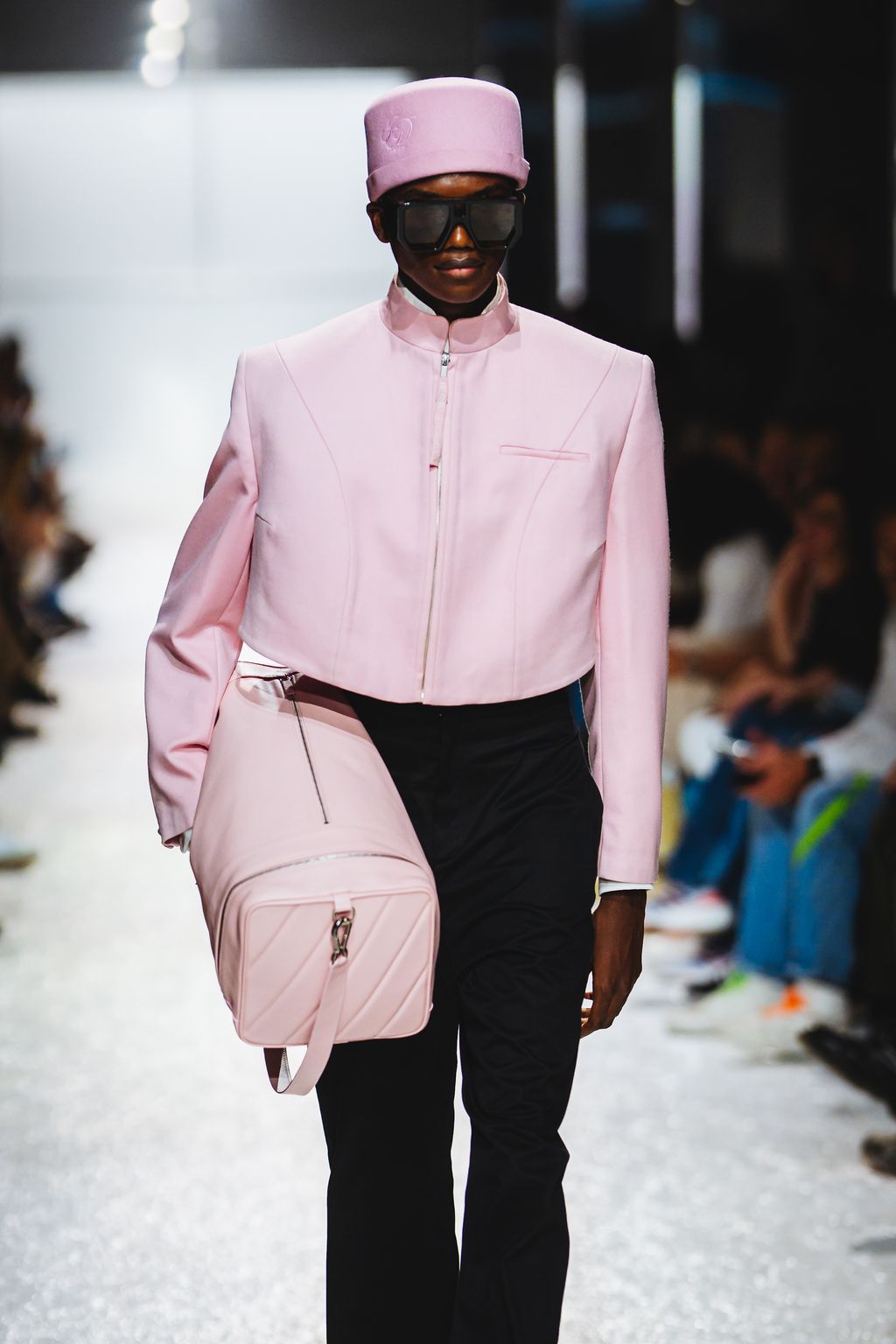
In 2026, a brand can grow without a runway show, a Paris showroom, or a feature in Vogue. Influencers have been replaced by fashion commentators, whose role is to inform, entertain and educate their audience. All opinions seem to carry equal weight online, even though it’s clear that expertise is not something everyone possesses. A new system based on following is taking shape, and discussions around collections sometimes seem more interesting than the clothes presented on the runway. It is also telling that major brands belonging to luxury groups are now struggling commercially, which is strangely reminiscent of the early 1990s – a period that most 20-year-olds today dream of.
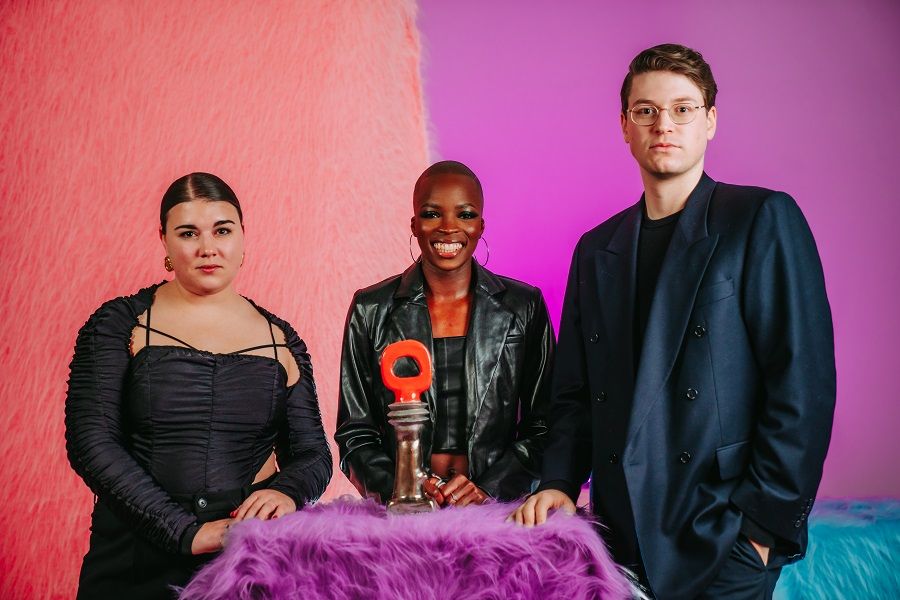
Is fashion nothing more than an endless cycle of repetition? The desire to launch one’s own brand has never been rational, and trying to explain or justify it is therefore bound to fail. For Anne-Françoise Moyson, young designers must find alternatives and carve out their own place:
Thanks to social media, these young designers can build their community and engage in B2B with very good results. It’s a business model that works very well for emerging designers, such as Kenza Taleb or Ester Manas.
In a fashion industry increasingly polarised between major groups and fast fashion, what space is left for independence? It’s difficult to say whether launching a brand in 2026 is more difficult than before, but it’s clear that WBDM plays a valuable role for Belgian fashion, offering not only material opportunities but also essential guidance to brands that are ready for growth. Without ideals, our societies would have no reason to exist, and it’s thanks to key players like WBDM that some people’s utopia is becoming a reality.