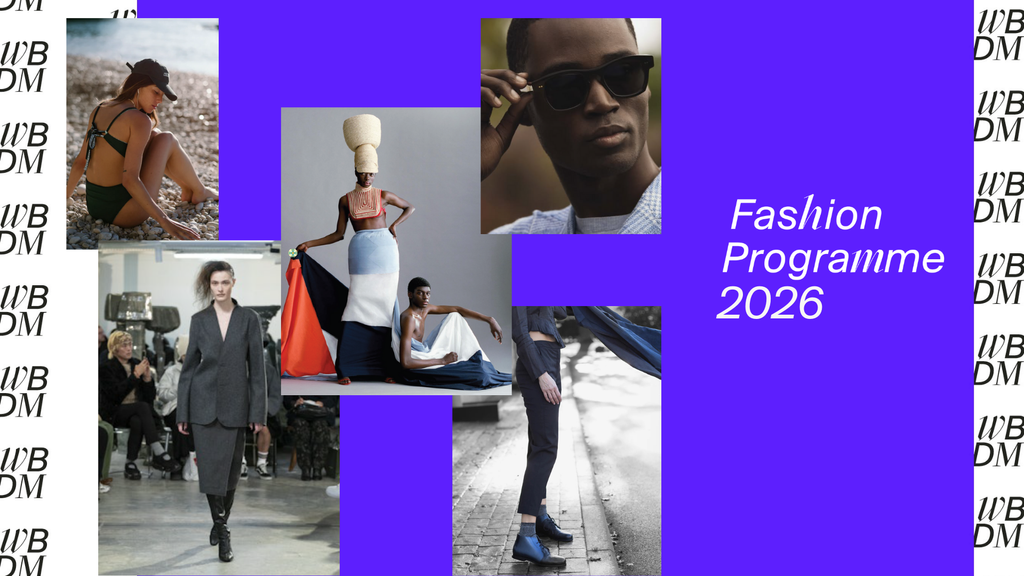
For WBDM, it’s clear that supporting independent fashion in Brussels and Wallonia remains one of its key objectives, whilst recognising the need to adapt its Fashion Programme to the drastic changes that have taken place in the fashion industry over the last 10 years. Tailored support, a precise assessment of each individual’s needs and constant availability are just some of the factors that explain not only its success, but also its longevity.

Thanks to the report recently drawn up by financial analyst Candice Rosenfeld – in collaboration with the WBDM team – certain figures stand out and highlight the relevance of supporting fashion design in the Walloon Region and Brussels. The Fashion Programme designed by WBDM has supported 60 fashion businesses between 2017 and 2026, using two distinct tools to foster their development: coaching grants of up to €4,000 each, and grants for designers ranging from €10,000 to €35,000.
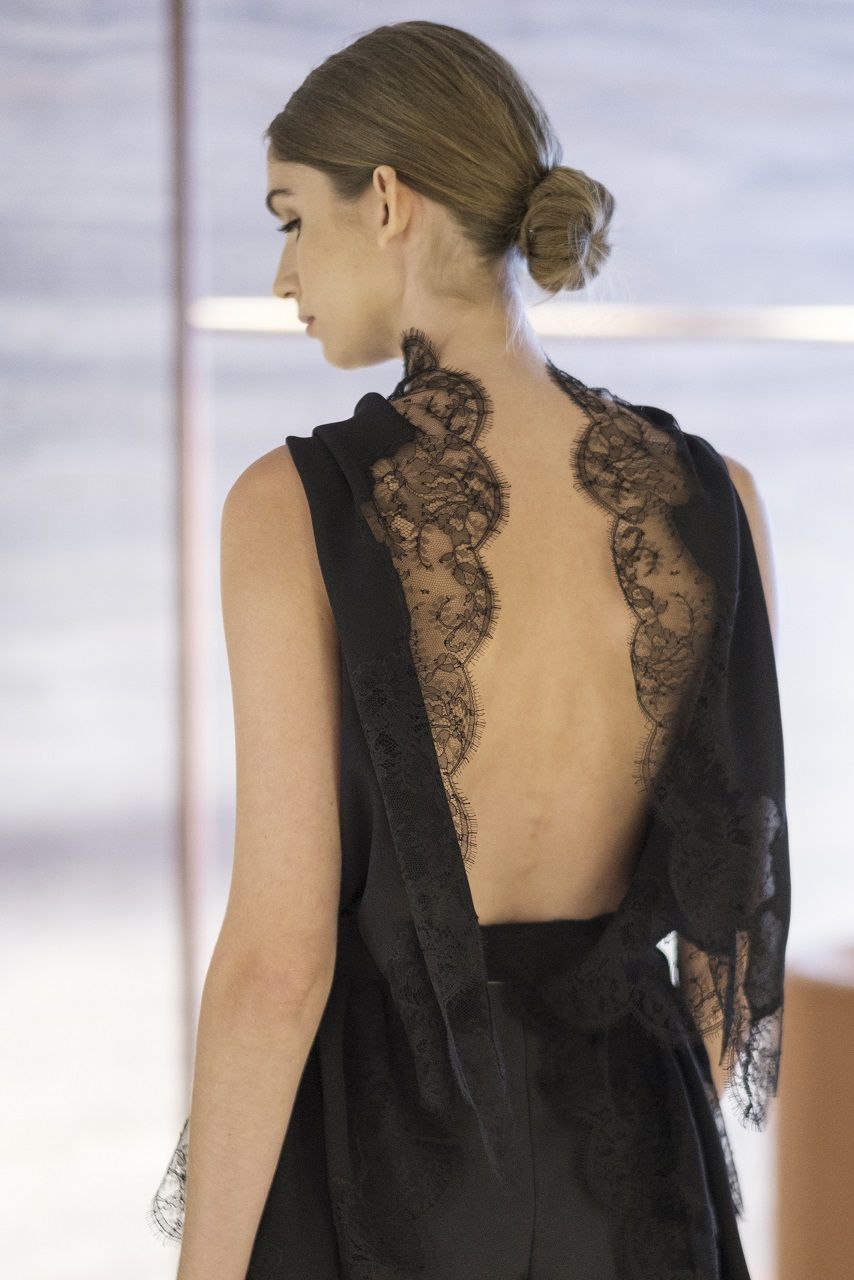
Furthermore, it’s worth noting that in 2017 the Fashion Programme offered two grants per year. Since 2025, this has increased to five grants, enabling support for more promising talent. Among the designers who have won grants – following a detailed presentation of their applications to a jury of international fashion experts – are Carine Gilson, Façon Jacmin, Filles à Papa (Tomboy), Jean-Paul Knott, Marie Adam-Leenaerdt and Abdel El Tayeb.
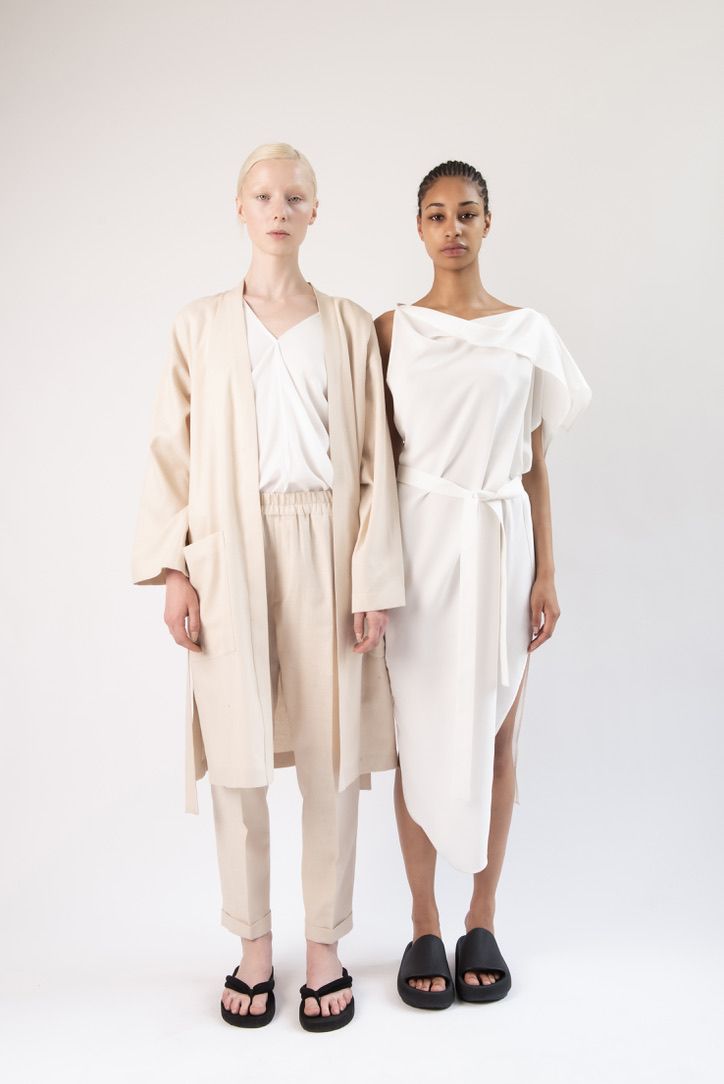
Providing purely financial support is not enough to guarantee success in the fashion industry, which is why WBDM has been offering coaching grants to selected brands since 2017, drawing on the expertise – and knowledge – of renowned professionals who have been working in the industry for several years. Thanks to its international network – and its refined understanding of a fashion industry undergoing rapid change since the pandemic – the Fashion Programme has enabled numerous brands to stand out from the crowd, maximising their chances of success and thereby fostering their international growth.
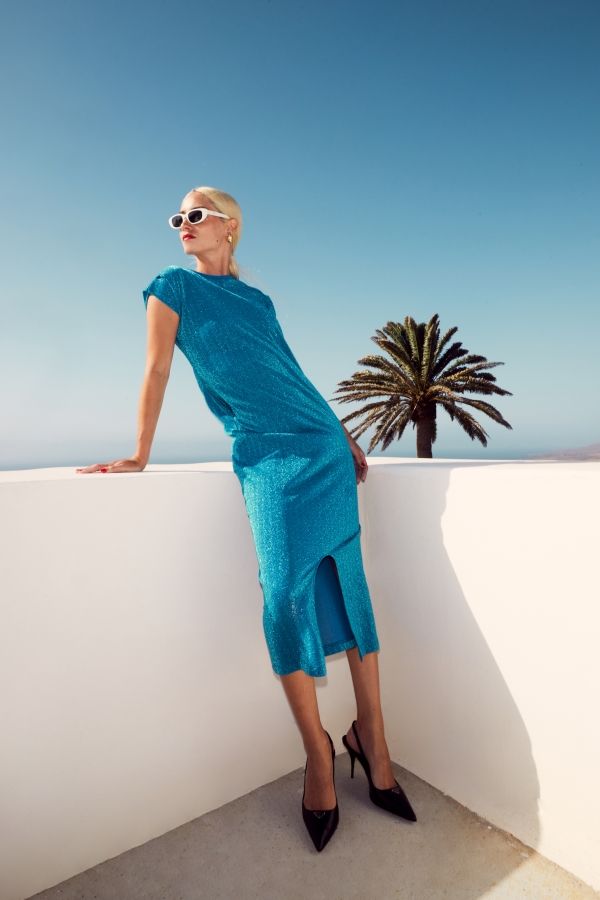
In 2026, fashion remains an extremely competitive field and designers must be able to meet numerous challenges, whether relating to their production, positioning, image, commercial strategy or event their storytelling. With the rise of social media, communication has become fundamental for independent fashion brands, which now benefit from free tools that didn’t exist 20 years ago. Whilst fashion is far less elitist than it was 30 years ago, it is nonetheless awash with offerings that create a sense of constant saturation, which can sometimes be difficult for emerging brands to manage.
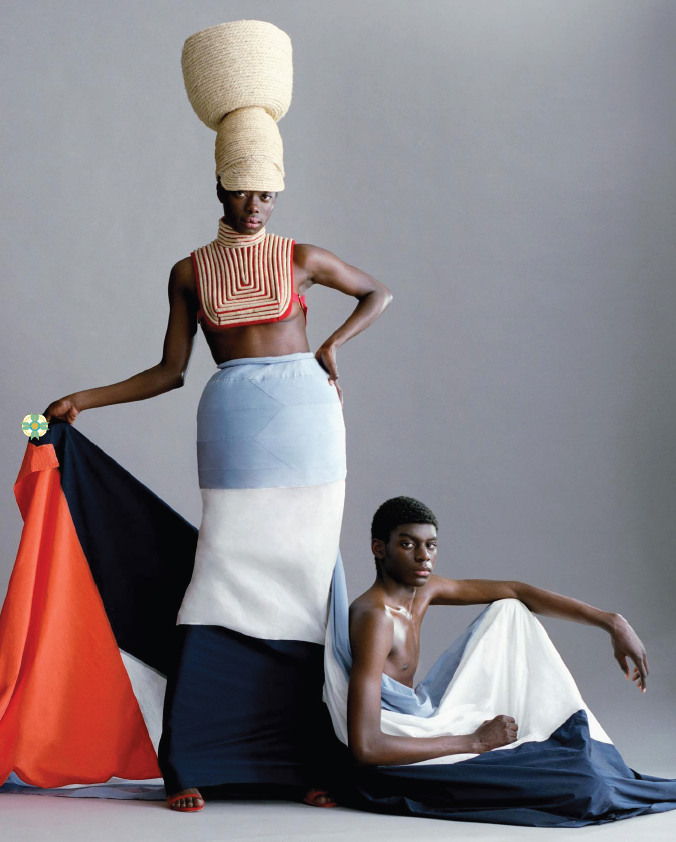
More than ever, new talent must communicate their core values clearly and inspiringly, enabling them to reach a new clientele seeking meaning, integrity and creativity. This year truly marks the onset of a crisis that was already being felt in the wake of Covid. Fast fashion is becoming increasingly ubiquitous, and even the big-name designers are jumping on the bandwagon, causing a real upheaval in values.
The greater the confusion, the greater the opportunity for independent fashion brands in Brussels and Wallonia. In a market that is increasingly divided and swinging between two extremes, they are moving forward on a human scale, slowly but surely, offering an alternative to rampant consumerism.
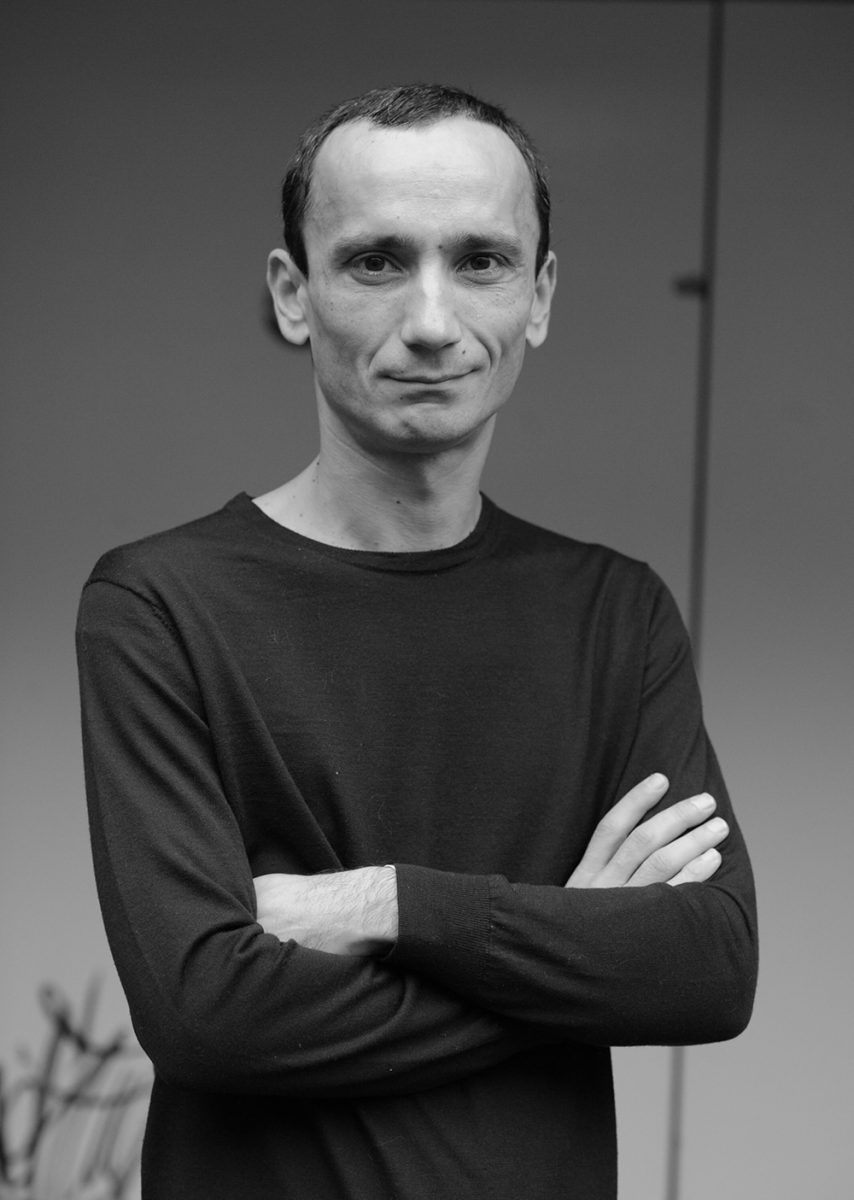
WBDM’s steadfast support for them should therefore not be taken lightly. For Serge Carreira, who heads the Emerging Brands Initiative project at the Fédération de la Haute Couture et de la Mode in Paris, WBDM’s contribution is crucial and inevitably valuable:
The Fashion Programme enables us to support Belgian brands in their development according to their specific needs. This helps to implement effective measures for their expansion. It’s essential support for strengthening creative brands in their strategy.
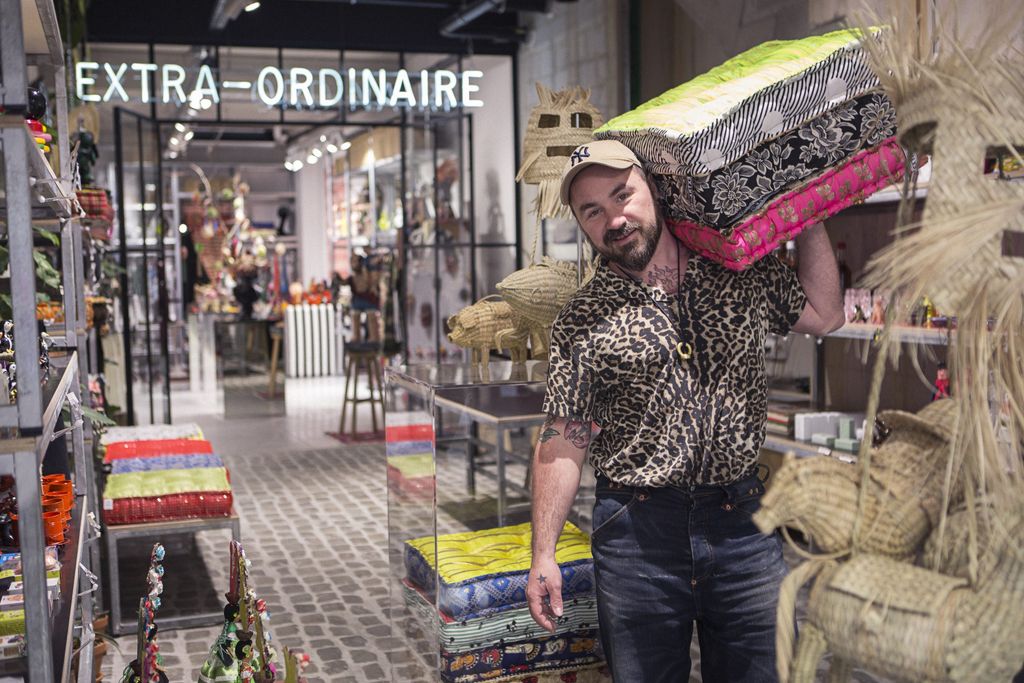
Today, traditional methods no longer work as well as they used to, and the ‘showroom/boutiques/press agency’ holy trinity is no longer the only way for a brand to grow and increase its influence. It is up to the younger generations to reject systems that are now obsolete in order to open up new avenues that are both relevant and innovative. Throughout its history, the Fashion Programme has not shied away from change. On the contrary, it has made change an ally, enabling it to better understand a complex industry whose essence revolves around desire, not necessity.