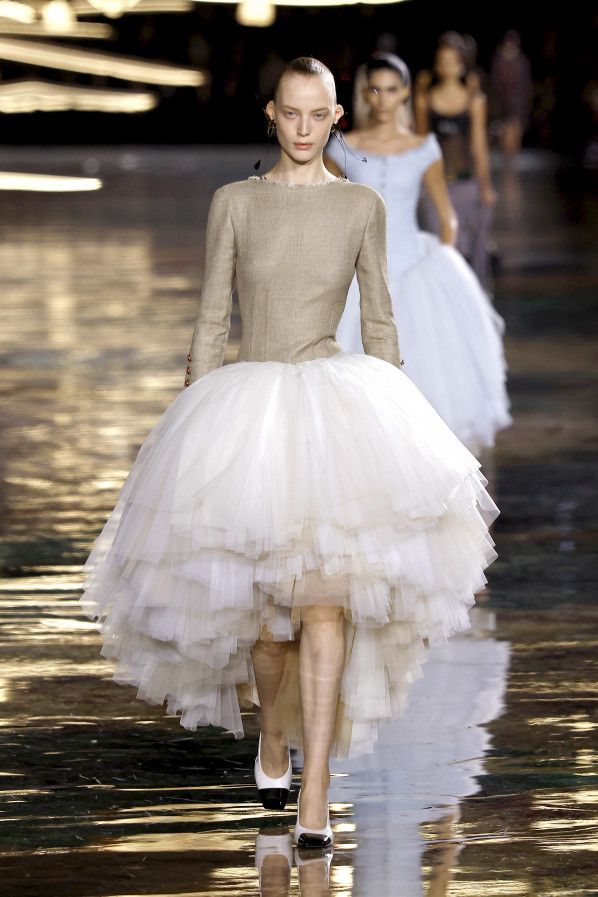
2026 has been an odd year for fashion so far, and sometimes it seems that the industry has lost its sense of clarity. While major luxury houses tend to suffer -and appear more and more disconnected from the needs of real clients- Belgian brands keep growing while attracting more attention from influential journalists and buyers.
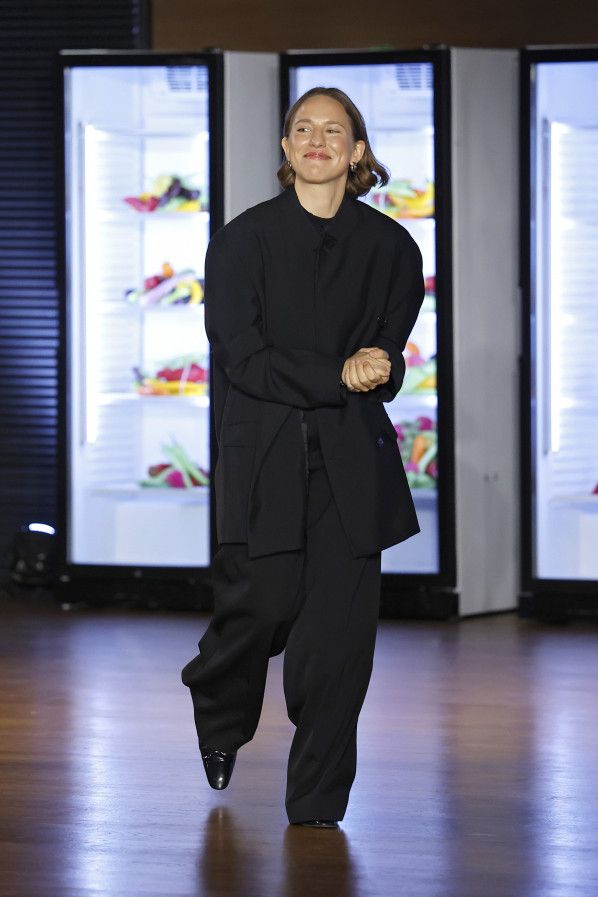
Last September, Julie Kegels won the coveted LVMH Prize, which will help her grow her business substantially. And last July, it was Brussels-based Marie Adam-Leenaerdt who walked away with the Grand Prix of the ANDAM, proving that a new wave of Belgian talents is being taken very seriously by the industry.
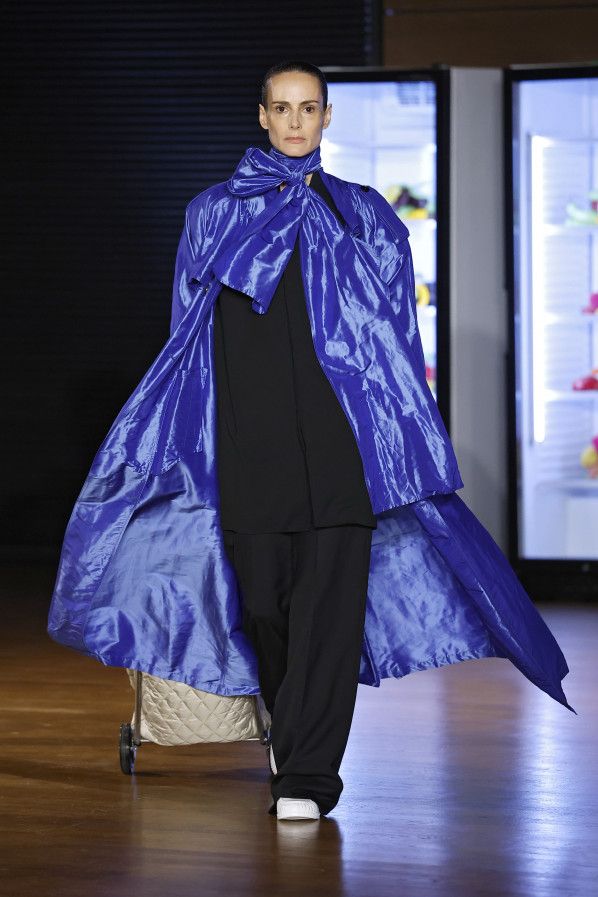
Adam-Leenaerdt showed in Paris her best collection to date, choosing an imaginary supermarket where individualities and styles could meet and merge. Her collection was indeed about the everyday, but of course there is always a twist with Adam-Leenaerdt, and she has a sense of playfulness that makes her work unique. Backstage, she talked about the concept of chic dressing, and how to reformulate it right now. The collection had fantastic coats, evening wear and accessories, as well as menswear looks that felt fresh and elegant. It was great watching her enrich her vocabulary and add a sense of softness to her silhouette, which made many of her pieces feel more accessible.
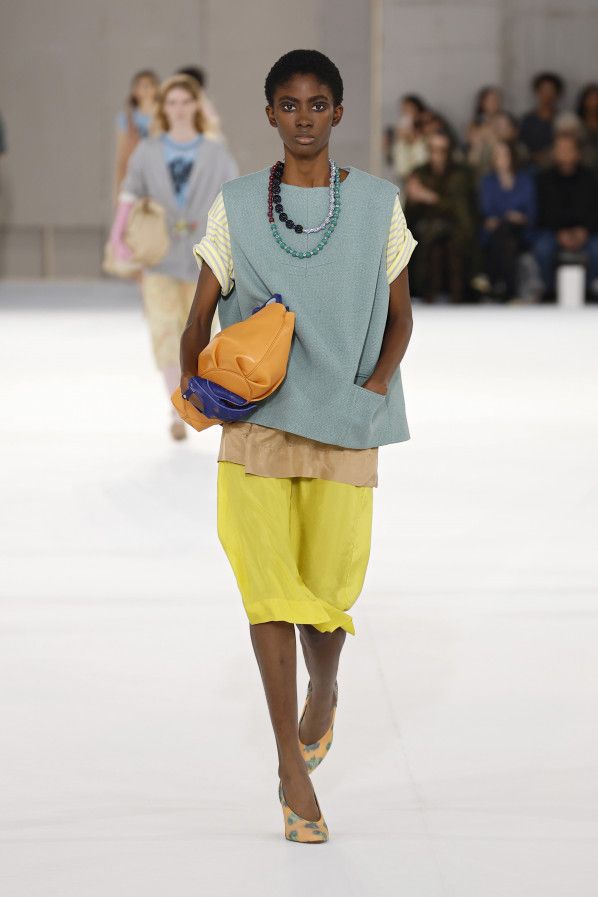
Brussels-born Julian Klausner had romance on his mind for Dries Van Noten, presenting an upbeat and uplifting show. Clashes of color and textures were seductive, with an emphasis on print and precious embellishment. Everything looked effortless and comfortable, which are some of the key trademarks of the Dries woman. Klausner was thinking of the wardrobe of a movie star on location, and there was something deeply cinematic about his vision, yet he never indulged in unnecessary drama and kept all the garments fully relatable
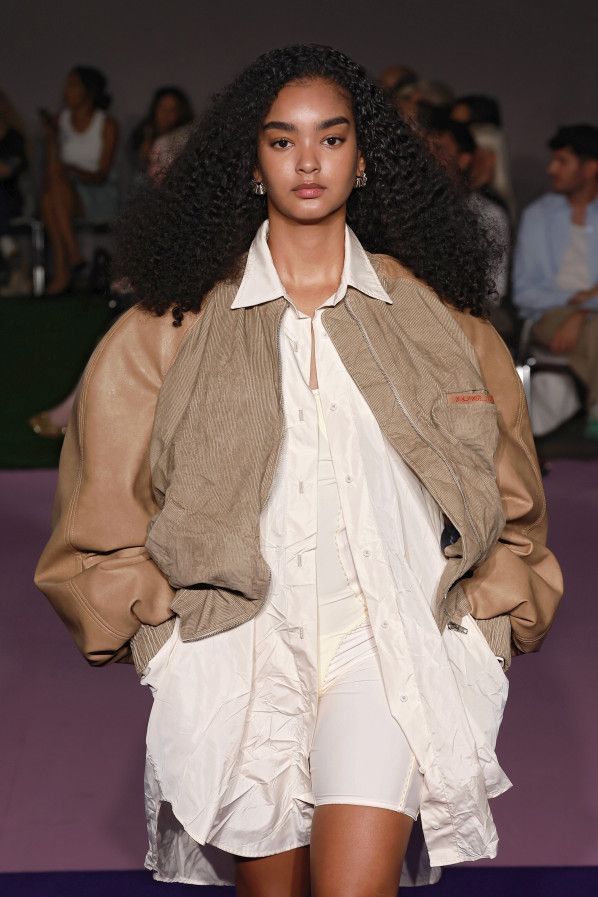
This was a comeback season for Ester Manas, who returned to the Paris calendar with a concise and confident show that stuck to the brand’s values and beliefs. Body diversity is still an issue in fashion, and the return of very thin models on the runway has not been received positively by several industry figures. For Balthazar Delepierre and Ester Manas, fashion should be about empowering individuals first and foremost, no matter what their size -or body type- is. Not only does the brand celebrate female curves, it advocates self-expression, too, making it quite relevant in a context where conformity seems to prevail. The duo excels at draping, and there were beautiful dresses in the show, as well as lingerie-inspired pieces that looked sensual yet wearable.
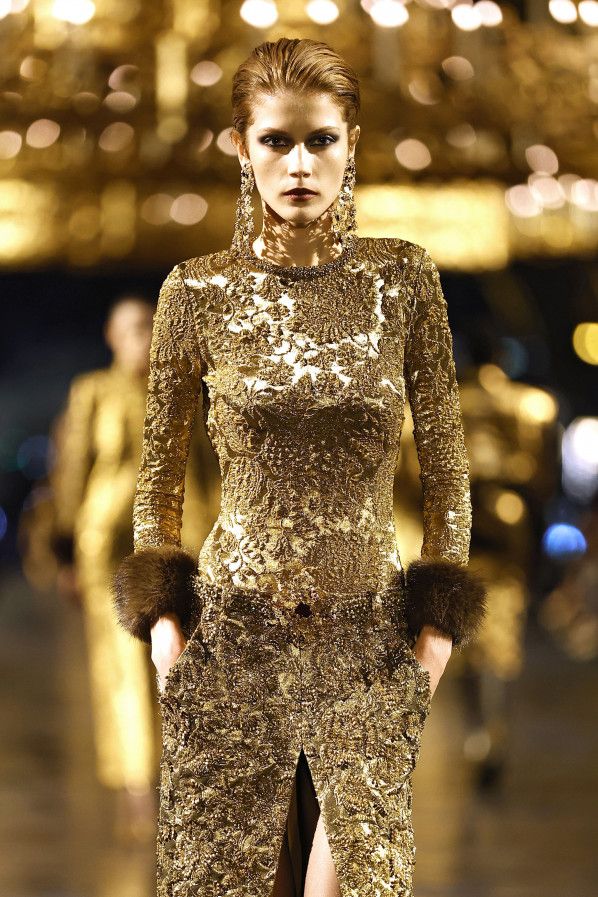
Anthony Vaccarello’s gorgeous farewell show for Saint Laurent was rather sumptuous, focusing on gold looks, and a few black silhouettes. Gold was a leitmotiv within Yves Saint Laurent’s career, yet Vaccarello gave it a contemporary spin, using lush brocades as well as organza and velvet. The collection was solar, magnetic and opulent, bringing a message of elegance back on the runways. After years of post-pandemic sloppy dressing, it does feel like the right thing to make an effort and dress in a more polished manner.
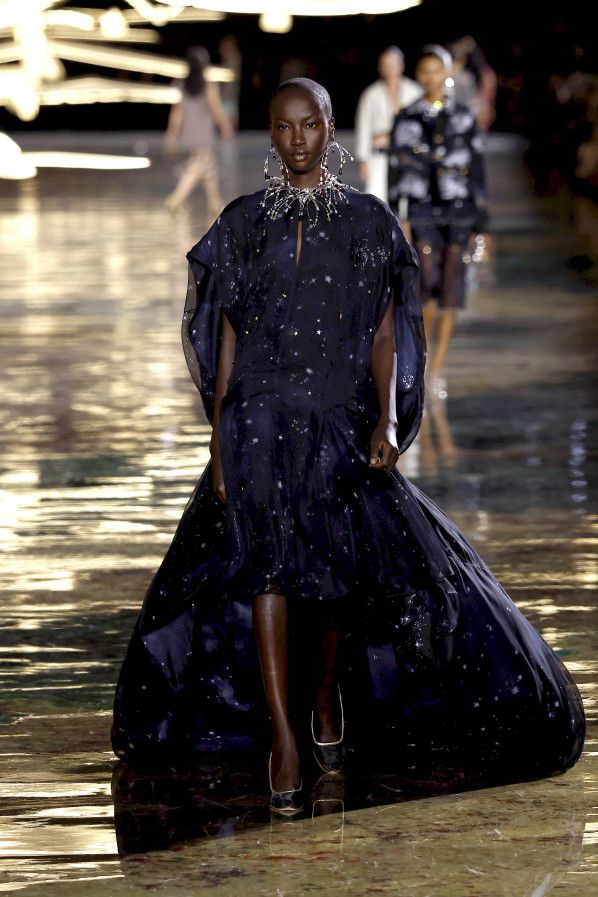
Matthieu Blazy is without a doubt at the source of this trend, and he has already managed to create a look for Chanel that is instantly recognizable. The silhouette is slouchier and looser, underlining the importance of movement and ease. Craft is back in a major way, with incredible fabrics and joyful embellishment turning garments into a feast for the eyes. Blazy has brought back the notion of pleasure into fashion, which we somewhat forgot as an industry. Insiders can’t get enough of his pieces, and even though Chanel is one of the most expensive luxury brands around, Blazy’s message keeps on inspiring people with its optimism and forward-thinking nature.
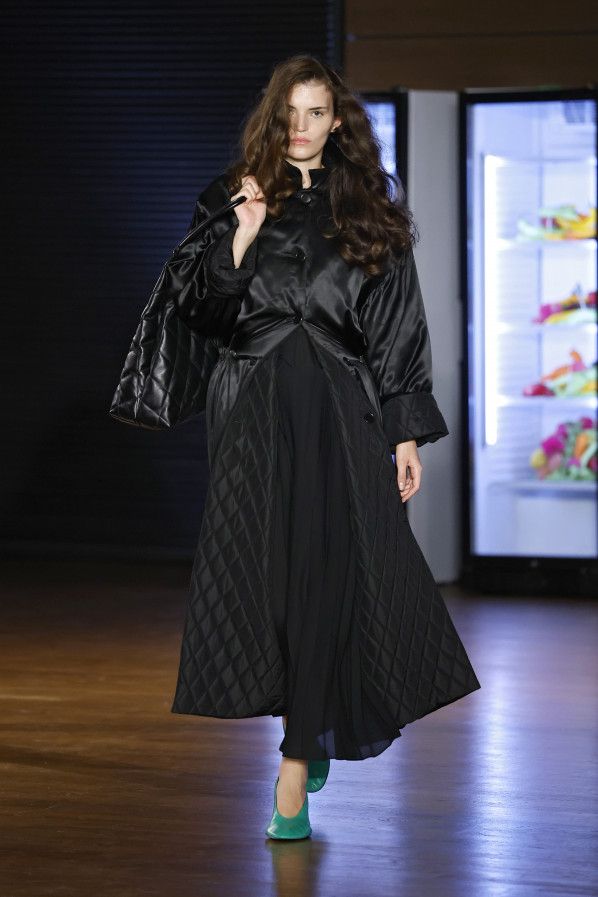
Today, it does feel like ironic dressing is no longer something we aspire to. In a world that is tough and increasingly difficult to navigate, fashion should find the right balance between pragmatism and innovation. That is something Belgian designers do pretty well, without falling into the trap of fashion shows as performative spectacle. For Belgians, reality matters, but that doesn’t mean it should be devoid of imagination.