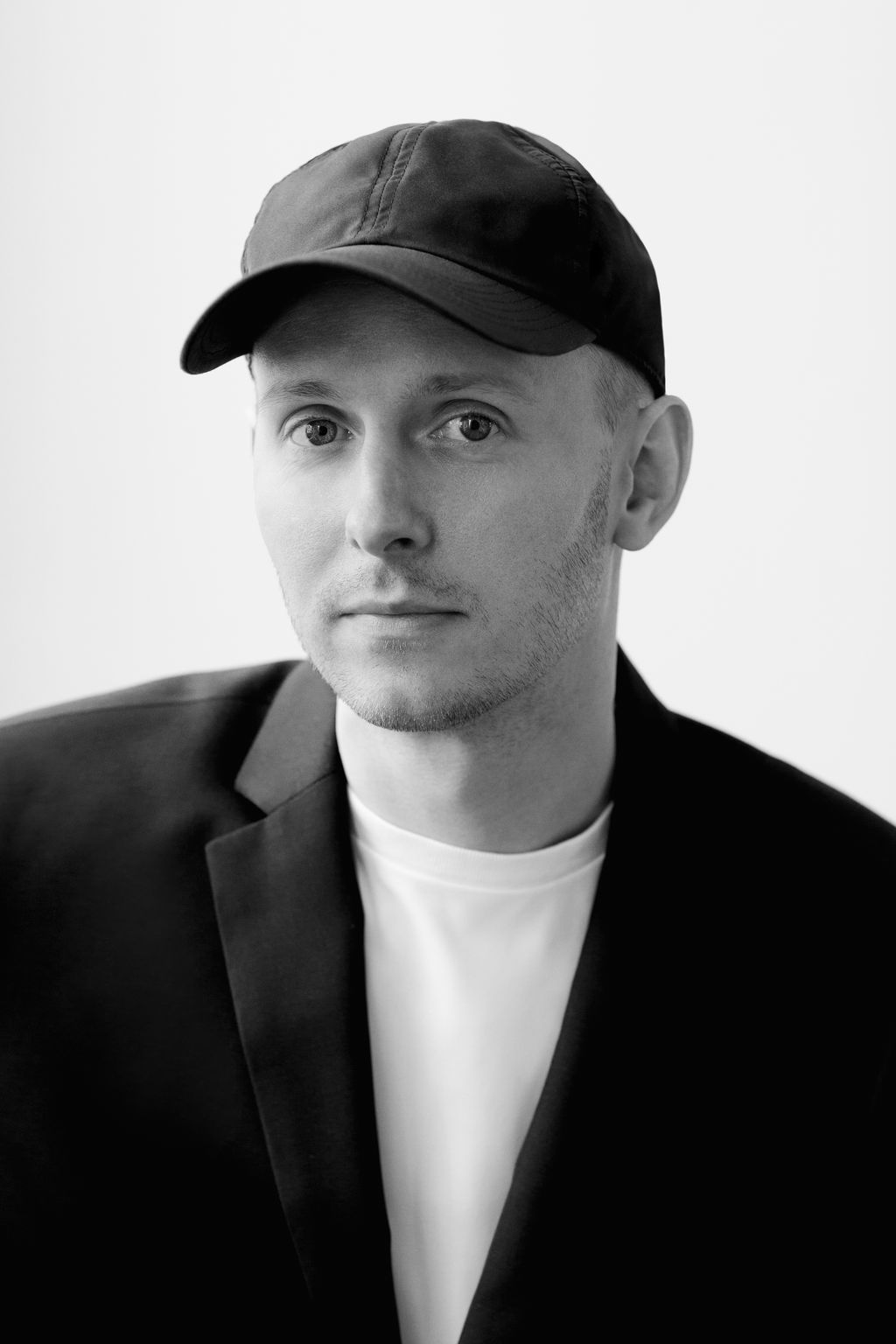
Quentin de Coster (1990) made a name for himself at the beginning of his career at companies as wide-ranging as Royal VKB, Vervloet and Ligne Roset, thanks to his undeniable talent. But the designer has been living the American dream in San Francisco for almost nine years.
This Liège-born artist, who is now well established as the design director for Thuma, speaks candidly about the logical and efficient ecosystem of this start-up, which aims to become the leading brand in the premium furniture market on the other side of the Atlantic, a market that is undergoing major changes.
Why did you want to become a designer?
I grew up in the countryside in Belgium, and I always did odd jobs with my father. There was this culture of ‘making’ things: instead of buying something, you made it or repaired it in the garage, which we used as a workshop. Since I was also interested in graphic design, industrial design seemed like an obvious choice. It was the only profession that combined my interest in aesthetics and designing items in a concrete way.
What brands or designers inspired you?
Ever since I started contemplating this profession, I devoured books about design. My godfather gave me books every Christmas. He was an architect, just like my grandfather (it runs in the family). Philippe Starck and the French generation that came after him stood out to me: Matali Crasset, Patrick Jouin, etc. There was also the Dutch radical movement Droog Design, which I was fascinated by. I felt like I was able to understand the work of a lot of designers and movements on an intellectual level. Today, because information is available instantaneously, you kind of lose that analysis time, which is an important part of learning when you’re young.
Your career was launched with a product for the Dutch brand Royal VKB when you were 21 years old. What do you remember about that experience?
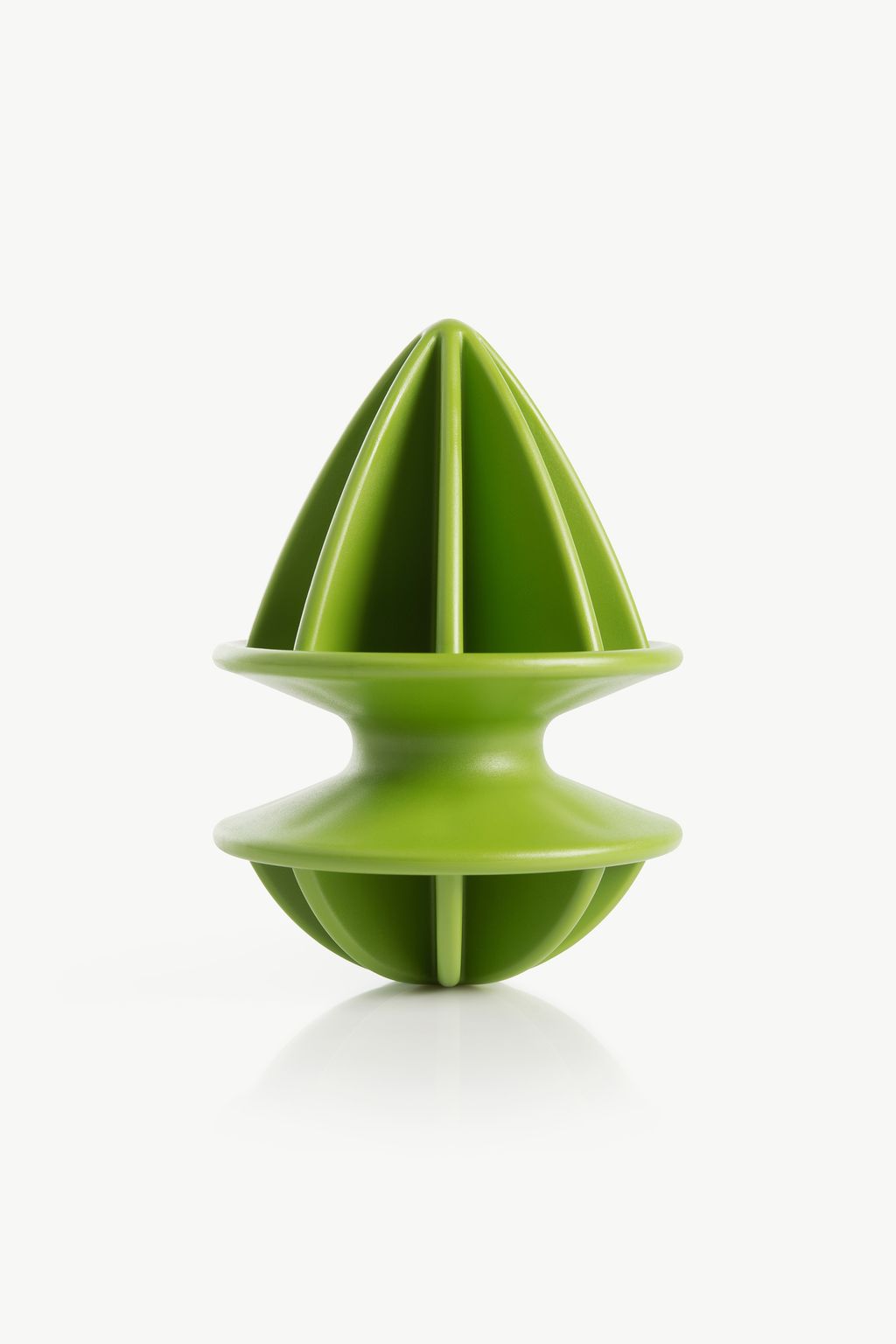
Le Citrange (2011) was my very first project as a student at Saint-Luc in Liège! Teachers wanted us to revisit lemon juicers. I had this slightly naive desire to create an iconic product, which you could show off in your kitchen rather than hide in a drawer. I had this idea of a drop shape, without a container, that could be placed directly atop a glass, a little like the juicers designed by Starck. I sent images from the project to the website designboom. There was buzz and then Royal VKB contacted me when I was on Erasmus in Milan. The brand’s design manager flew out to meet me and I gave him my only 3D-printed prototype. Then they immediately invested in production so that it could be launched in time at Maison&Objet. I saw the reality of the industry for the first time there.
Your work was then showcased by Vervloet, Ligne Roset and even Hermès. Did you feel like you had found your signature?
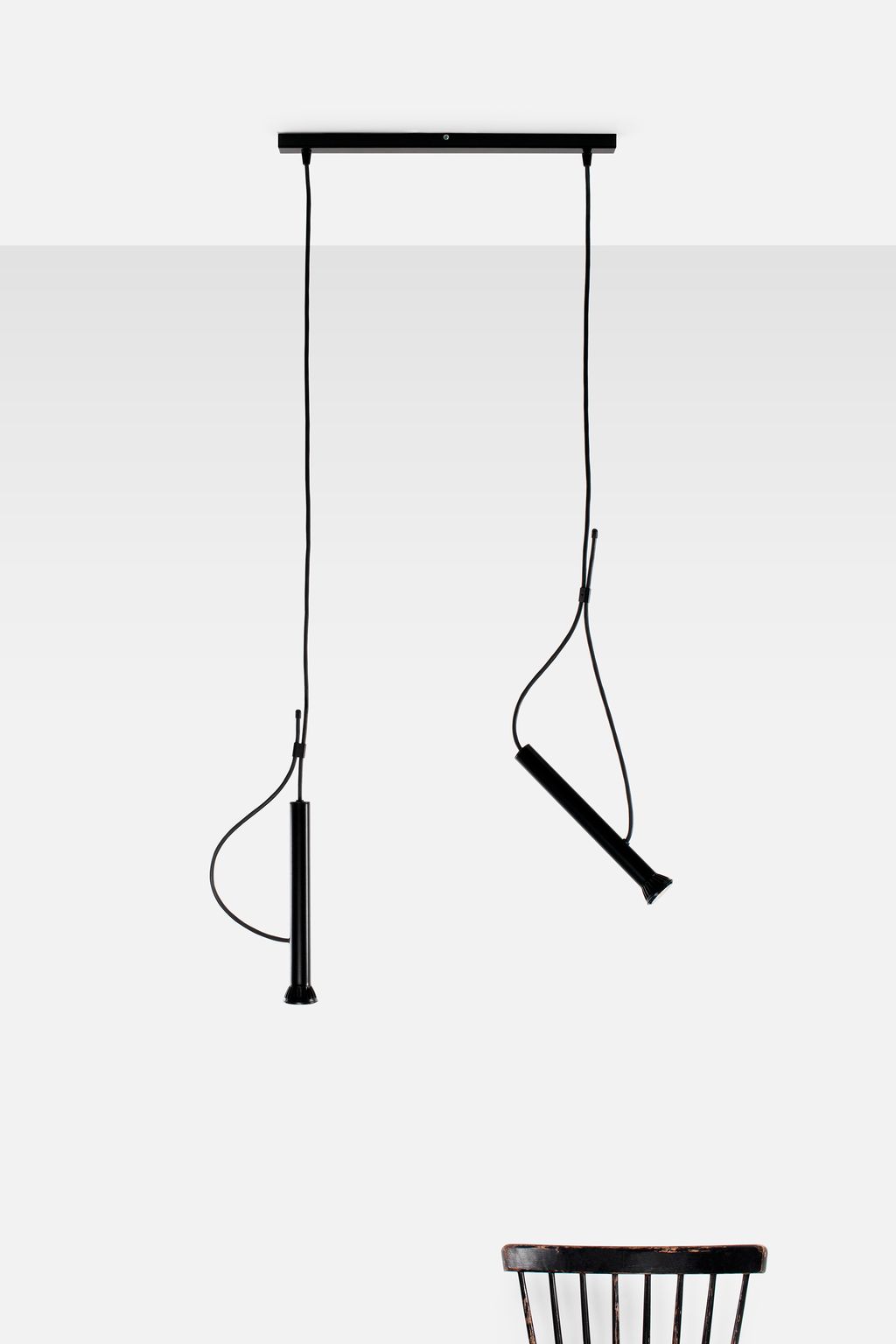
From 2014 to 2017, I followed an artisan design process. I designed hardware elements – buttons for furnishings, door handles with a secondary function – and a limited-edition money box for Vervloet. I won the Cinna Young Talents competition for Ligne Roset with the Lasso lamp (2014), in which the wire showcased the beam of light. Finally, with Hermès, the artistic director, Pascale Mussard, invited me to work for Petit h on the revaluation of luxury materials. It was a formative period for me, but the European manufacturing market was a little too slow for me. It should be said, the economic model of royalties is quite precarious: if the product is not released, the designer earns nothing. I no longer saw myself working within that system.
Is that what inspired your move to San Francisco in 2017?
My motivation was financial, and also linked to the scale of the projects there. In Europe, I made furniture and accessories. In the USA, and in particular Silicon Valley, design centres around tech and consumer electronics. First, I joined Fuseproject (Editor’s note: the agency owned by famous Swiss designer Yves Béhar). There, I learned to design electronic products for giants such as Western Digital, who produce hard drives. It was a new world for me: being paid for my work right from the beginning of a project, and being integrated into a company, much different from the artist-author status that seems to prevail in Europe.
How did you come across the furniture brand Thuma and what is it about?
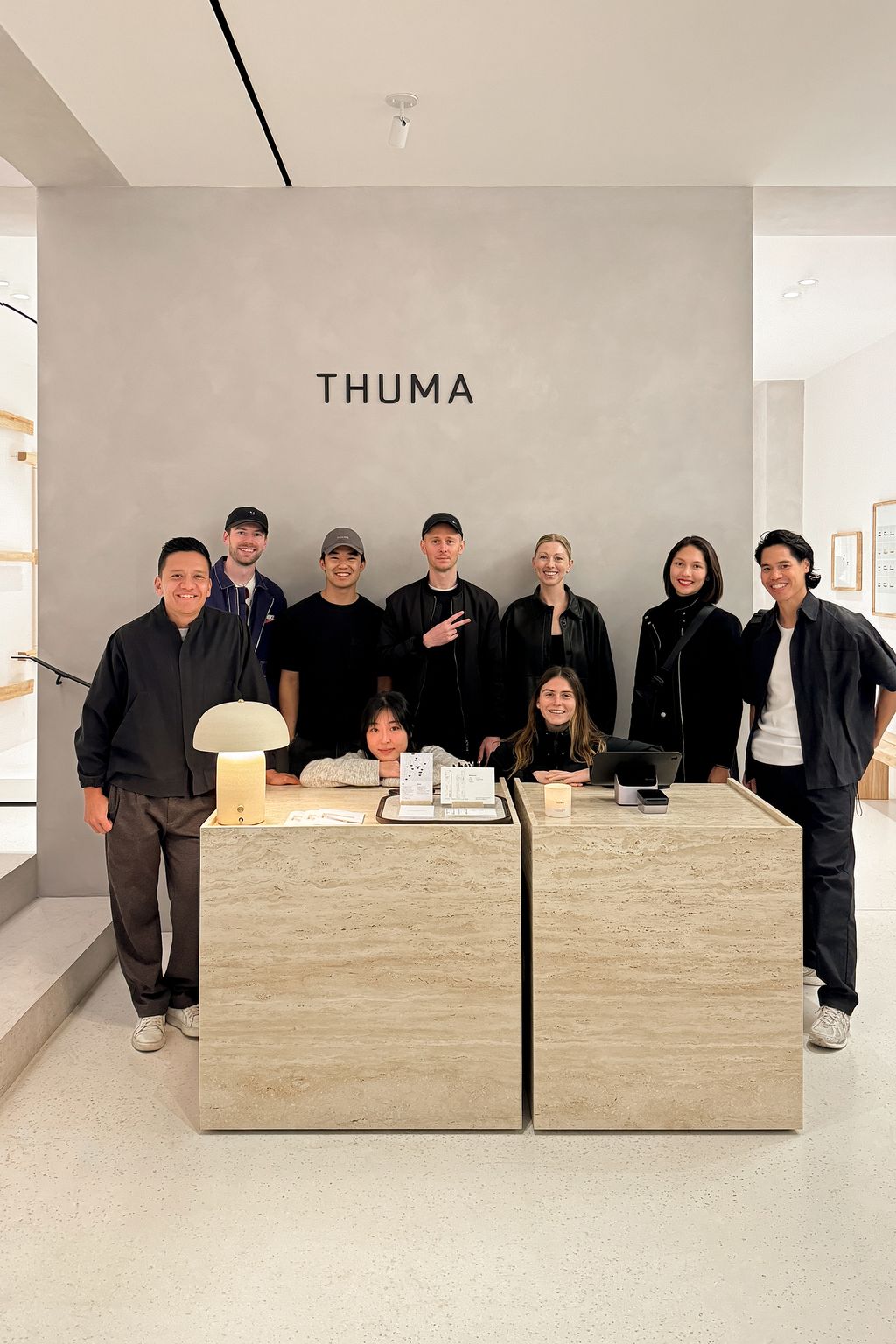
In 2020, during the Covid pandemic, the company’s work slowed down. I saw that Thuma was looking for a designer. It’s a direct-to-consumer brand that started with a single product: a bed. The Bed has since been rolled out in a variety of different versions. Unlike Europe, where people would hesitate to purchase a bed online without seeing it first, here, that’s common and sales are huge. Additionally, the CEO, Reed Kamler, has a real feel for design, kind of like Steve Jobs. When the founders had raised the funds, they tasked me with assembling a team in San Francisco. Today, I manage a team of twelve within a company of 120, which has quite a remarkable turnover.
California is one of the epicentres of new technology. How does that influence furniture design?
The influence is more structural than formal. You don’t design a piece of furniture in the same way you would a phone, but the business is looked at in the way a tech company would be. Thuma is a start-up and it functions like one. It has created an ecosystem that is one of a kind. Too often, I think that European furniture brands look to create iconic, one-off pieces outside of collections and broader systems. Thuma focuses on developing products for a mass market and aims to popularise a lifestyle. It offers an understated design that embodies a sort of refinement that is still accessible.
What level of production are you working at?
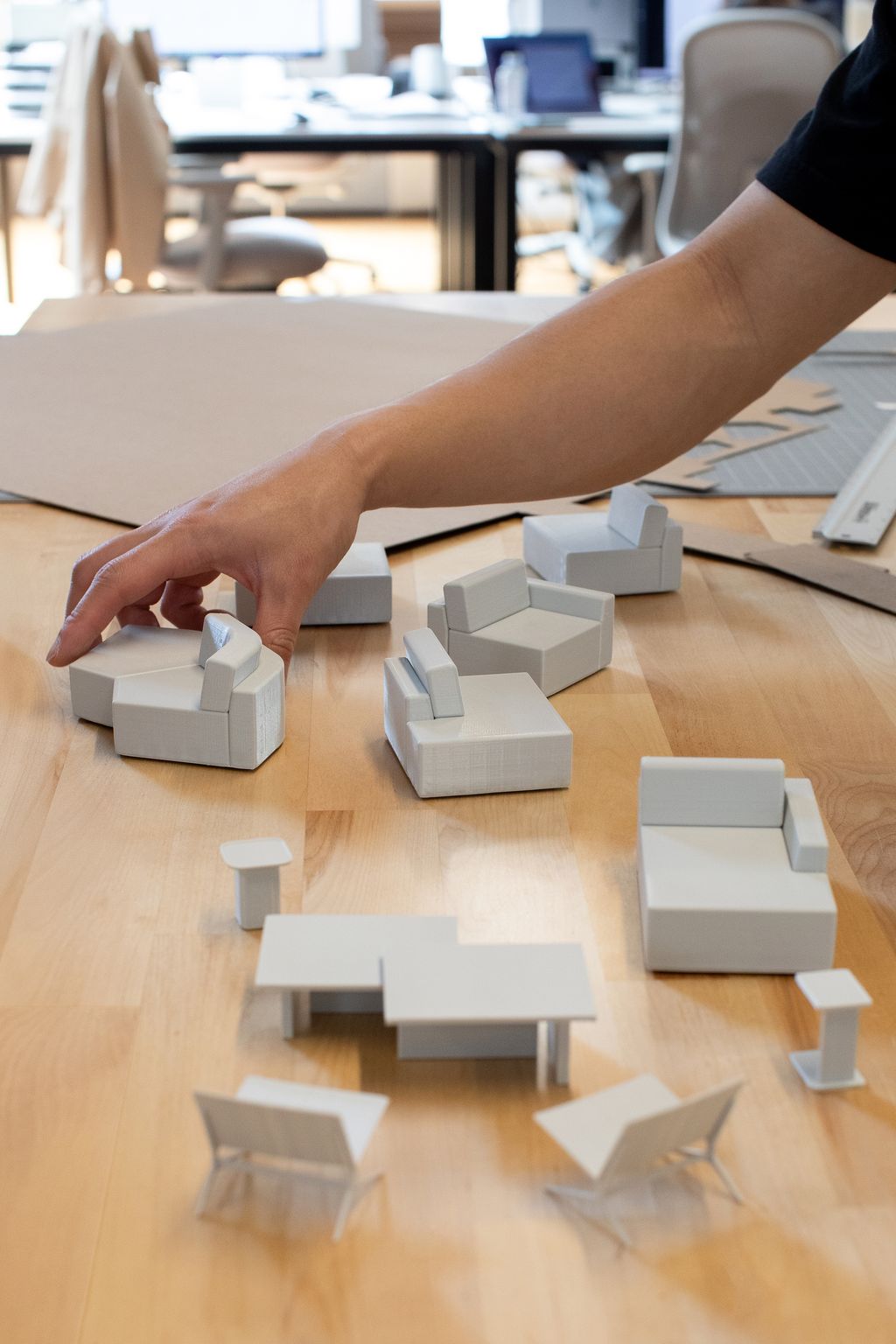
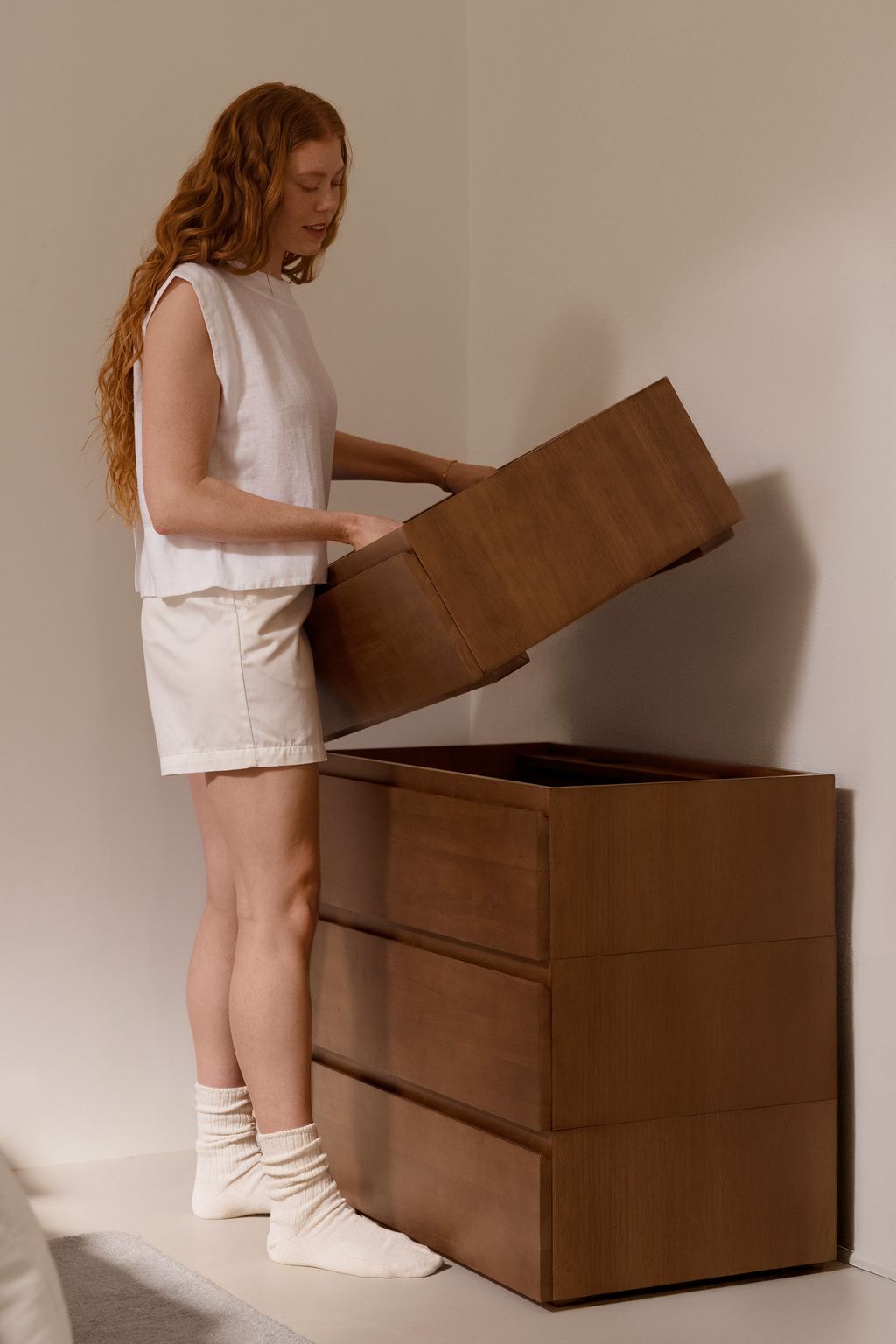
Our production site is based in Vietnam, and we work with rubberwood, an environmentally friendly wood from the rubber industry. One of the unique features of all of our furniture products is that they can be assembled without tools. No Allen keys, no complicated screws, etc. You use Japanese carpentry techniques (tenons, keyways) and hand screws. In recent times, we launched a chaise longue that is just as stable as a chair that was assembled in a factory, but which is flat-packed. That level of engineering is unique for furniture aimed at individual consumers. We aspire to have the best of both worlds: artisan quality with the logistics of a brand like IKEA.
Outside of a few major names, the designer is often overlooked in favour of brands. What do you think about that?
In hindsight, I think that Europe has idealised the artist-designer for too long. Today, 70% of my work revolves around developing products, strategy and having discussions with suppliers and the entire supply chain. In the United States, design is a part of the business, much like finance, and you have to put your ego aside in service of the brand. In the US, they understand that design has a tangible monetary value. It’s not just picking shapes and colours; it’s making a technology or function accessible to an audience of millions of people. It’s not as romantic as the European view, but it’s much more powerful from an economic perspective.
How do you view the industry today and what is still out there to be invented?
It’s true, there are still too many chairs on the market, but more importantly, there are too many bad chairs. (Laughter) If I had to explore another area, it would be menswear. Like furniture, I find that there is sometimes a lack of quality in what is available – well-cut, technical, but easy-to-wear and elegant offerings. The main goal of design is to improve people’s lives. Today, that is no longer done via a single object, but by creating holistic experiences. People are no longer really attracted by products so to speak. More than anything, they are looking for brands that inspire them and that they trust. This is undoubtedly one of the lessons that we can learn from the American experience…