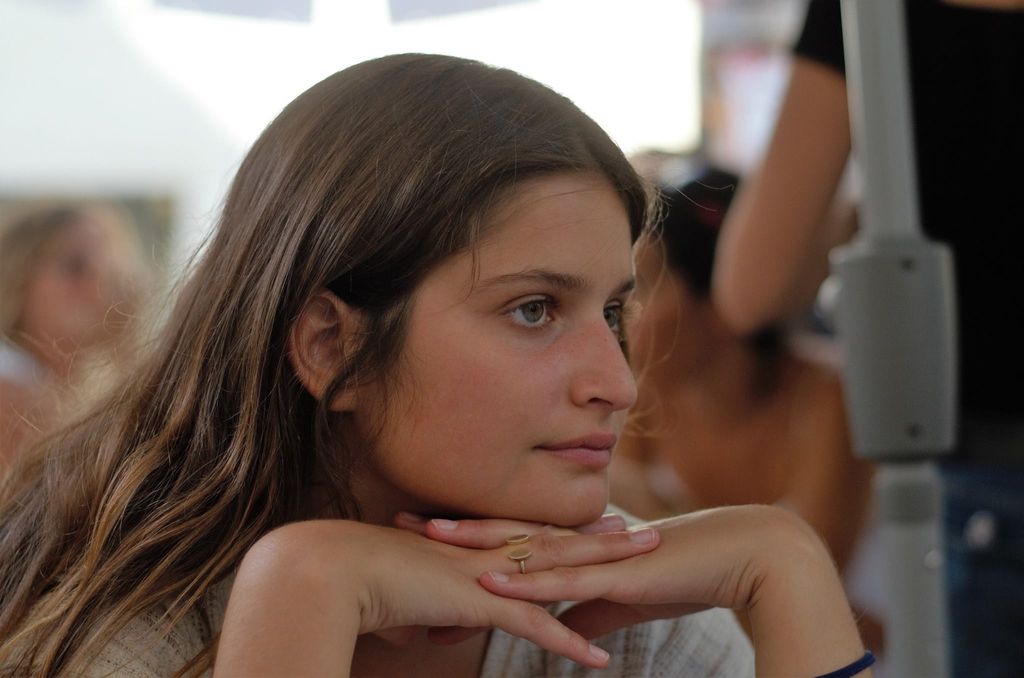
We met with Sophie Dajez, a writer, moderator and consultant Brussels-born and based in Paris, to discuss her motivations behind Backstage Fashion Talks, fostering a new community in the most important fashion capital in Europe and why she thinks people are relieved when they get the chance to truly speak their minds.
If the fashion industry is keen on celebrating its glamorous ways -and anything that makes it look seductive in general- it’s not always so comfortable coming to terms with its more toxic aspects, addressing certain issues that should already have been dealt with. While fashion enjoys being self-referential, it’s not so good at being self-critical.
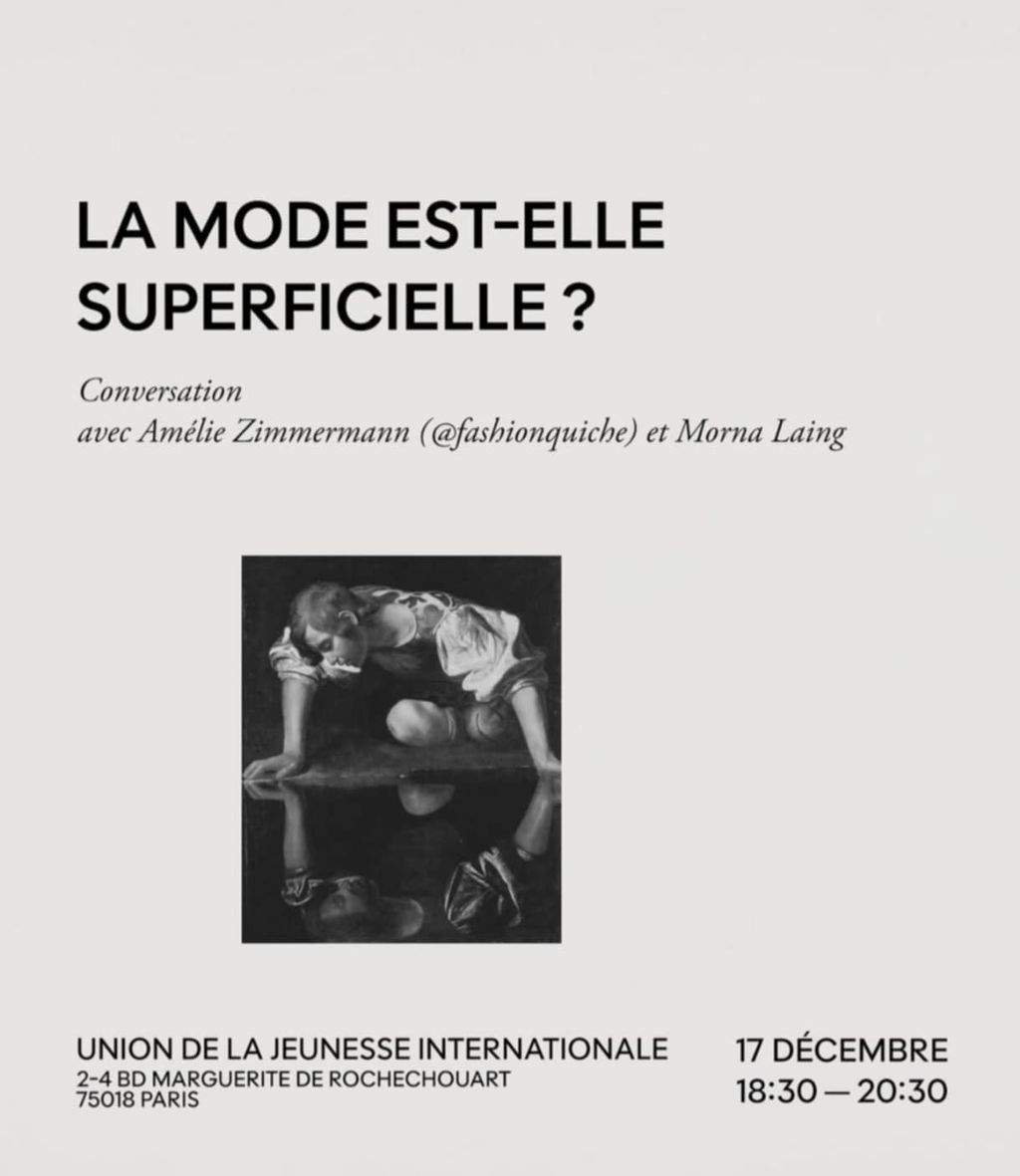
To raise awareness around certain issues, in 2024, she co-founded “Backstage Fashion Talks” in Paris, a great initiative whereby fashion insiders can physically gather and talk together without fear, sharing their experiences as well as their wishes for a better future.
If Dajez is aware that actual change takes time, she’s also a part of a younger generation that no longer wants to deal with abusive behaviour, something which unfortunately fashion is quite famous for.
What did you study at IFM?
I did a Masters in Management and graduated in 2023. It was a great experience for me not only in terms of teaching, but also for the people I got to meet there. We had endless discussions about the fashion industry, including its positive -and less attractive- aspects. After a while, I started to realize there was no actual space in Paris where people working in fashion could talk about this openly and critically.
Is this how the idea of “Backstage Fashion Talks” came about?
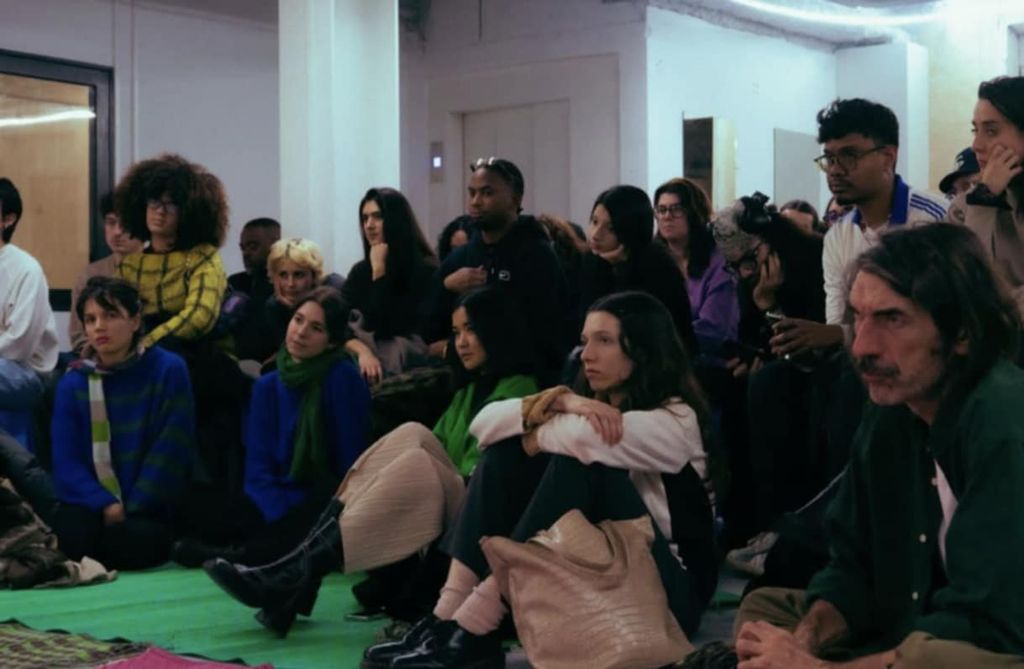
Yes, because there were no other moments when you could actually do this. When people meet up at industry events, it feels more performative than anything else, and there’s usually not enough time to go in depth with certain topics. When my friend Julia and I decided to launch “Backstage Fashion Talks” it was very organic and started quite small. We talked about young designers today and how to make it when you are an independent brand evolving in a rather competitive landscape. We had 3 industry guests on the panel who all worked with -or for- independent brands.
Who came to that first event?
Mostly friends and other graduates from IFM, but we started getting more interest and people showing up at our second event, which was quite encouraging. Last September, we decided to have a talking circle, which I moderated. The title of the discussion was ‘Between Dream and Reality’ and it was fascinating to see how much people had to say on that theme. We all have dreams and expectations when we start working in fashion and reality tends to catch up pretty fast.
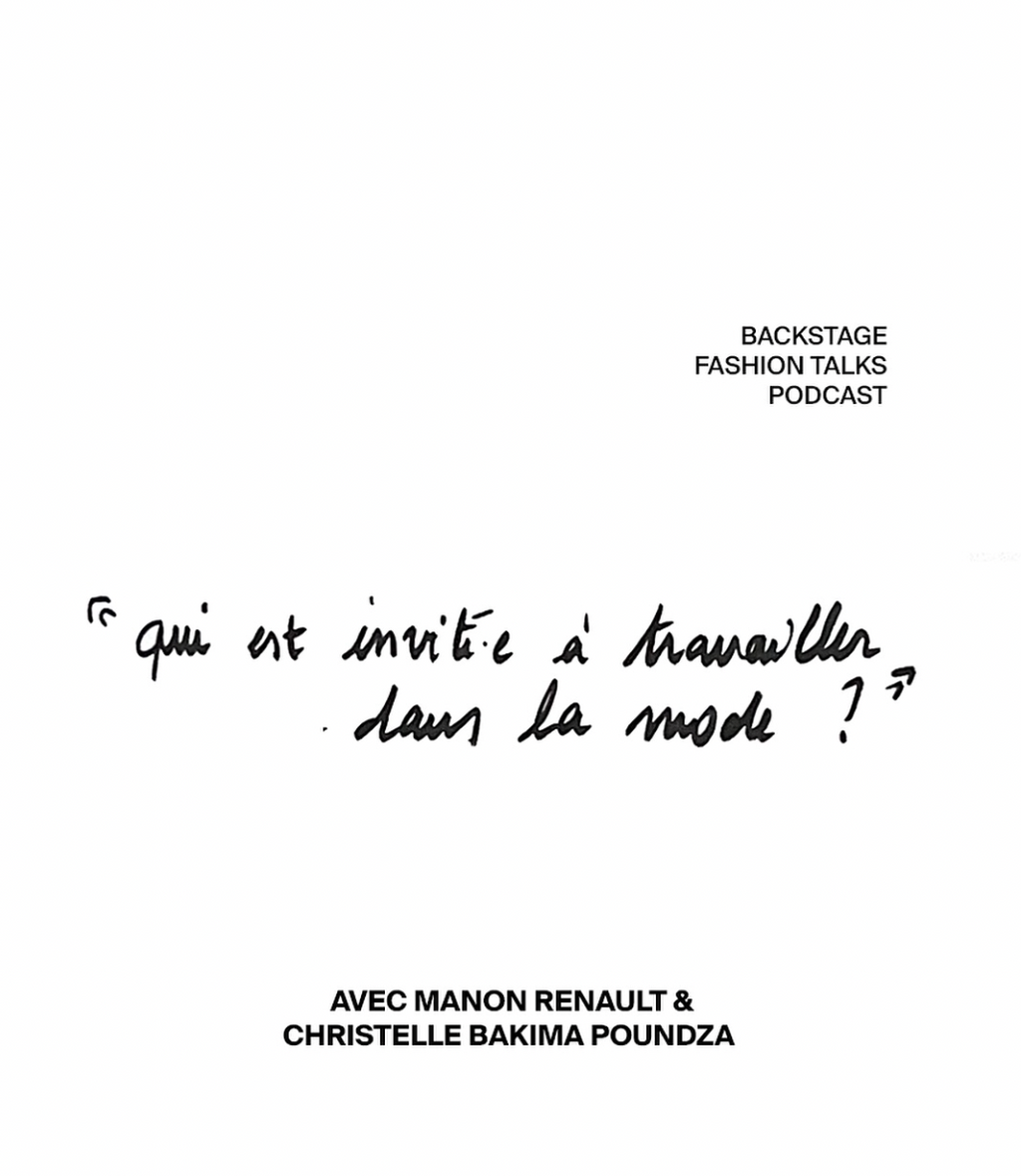
What struck you during that second edition of “Backstage Fashion Talks”?
What struck me the most is how much people needed to talk and how liberating it was for many of them. Fashion is a tough industry and people are not exactly encouraged to point out what’s wrong within certain professional environments. What you hear a lot in this industry is senior profiles telling you that you should hang on to your place, because everyone else wants it and it’s a chance to be able to work in fashion at all.
I understand that -like many other creative industries- fashion is indeed competitive, but that reality should not be an excuse for abusive or unfair behaviour.
If nobody evokes those issues, is anything going to change? I think it’s a first step toward better -and more humane- working conditions.
The problem with fashion is that there’s no union regulating important things such as working hours, minimum rates, as well as outlining what is -or isn’t- acceptable within companies.
Exactly. A lot of it feels like revenge as well, with people in management thinking you should suffer for fashion, because that’s how they were treated themselves. In the end, you keep reproducing the same negative patterns, instead of altering them.
It’s funny how many houses tolerate abusive behaviour if the designers make money. It becomes part of the package in a way.
Yes, and it’s often glamorized, or depicted as some sort of eccentricity.
You work as a copywriter and journalist, too. Is it important for you to feel like you are part of a community of like-minded people?
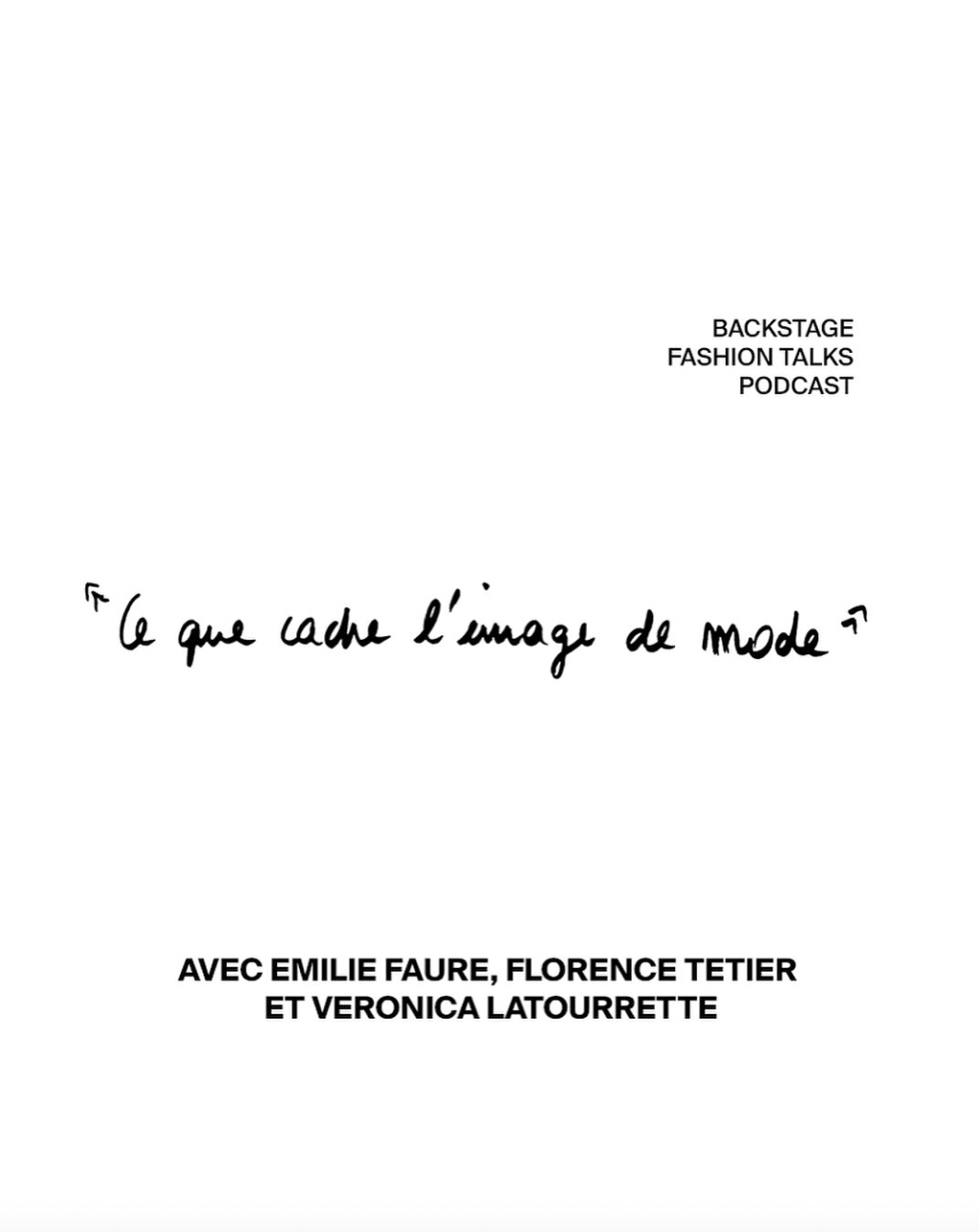
Definitely. I’d love for “Backstage Fashion Talks” to grow, and right now we have an event scheduled every couple of months. We also launched our podcast, and I can’t wait to see how this will develop -and evolve- over time.