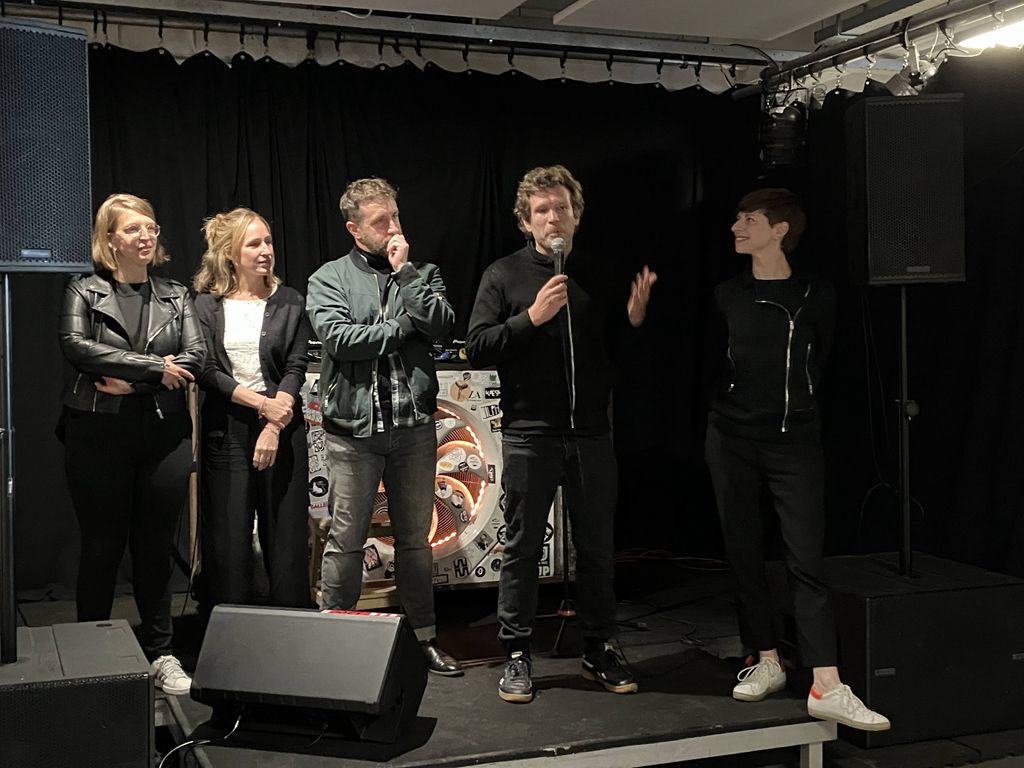
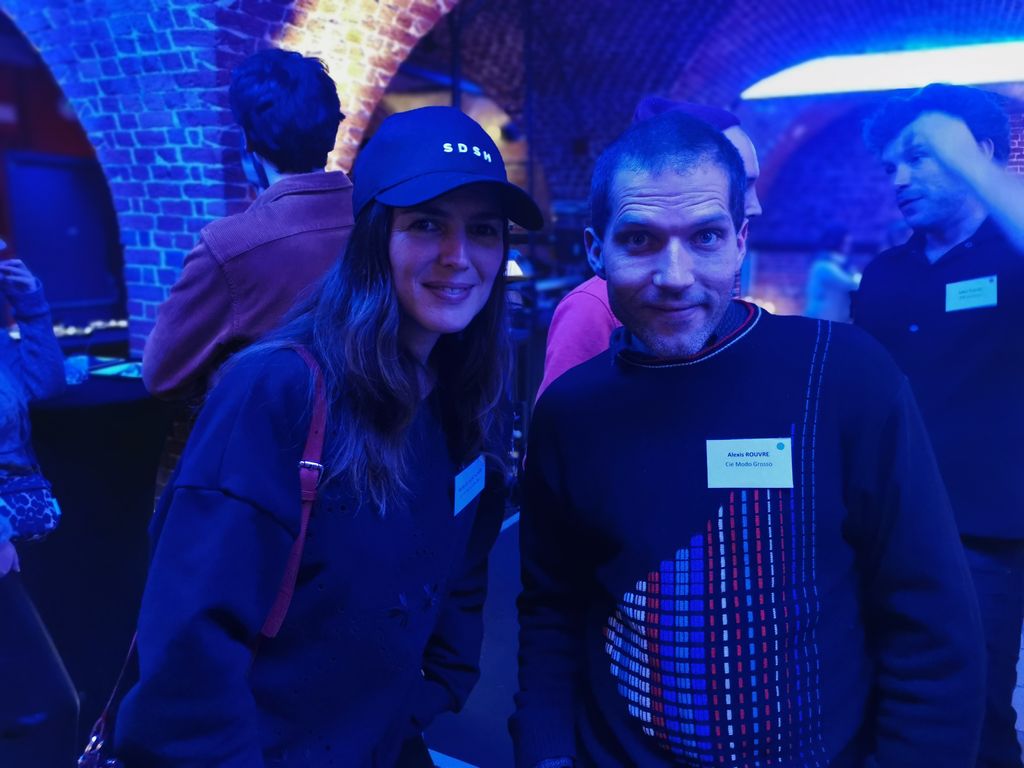
In 2022, the Wallonia-Brussels agencies launched a series of meetings aimed at strengthening ties between the design, fashion, music, film and audiovisual, theatre and dance, architecture and higher education sectors.
Designed as special opportunities for dialogue and collaboration, these cross-sector events aim to bring together the creative and cultural players who enrich our ecosystem.
Since their inception, these gatherings have quickly become highlights for exchange, inspiration and the building of new synergies.
Wallonia-Brussels agencies at the heart of the system
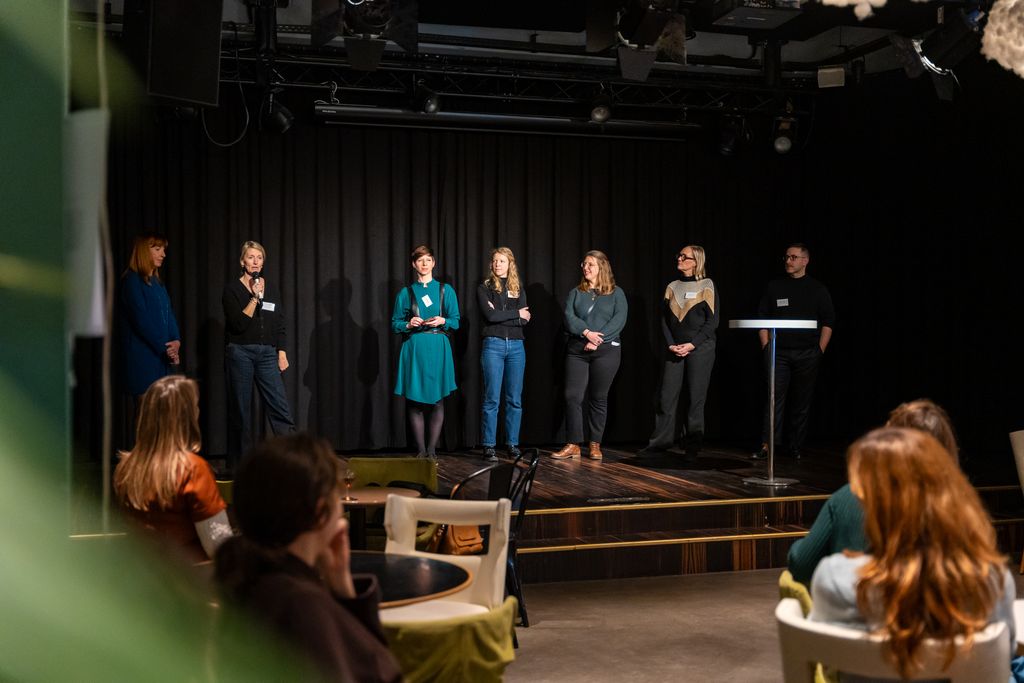
The Wallonia-Brussels Federation can rely on a group of specialised agencies – the oldest of which has been in existence for over 40 years – to promote its talents internationally. These agencies, each an expert in its field, support creators, operators and cultural entrepreneurs in their development:
- WBMusiques
- WBImages
- WBThéâtreDanse
- WBArchitectures
- WBCampus
- Wallonia-Brussels Design Mode (WBDM)
Together, they work to stimulate international dissemination, influence and collaboration.
A biannual event that has become unmissable
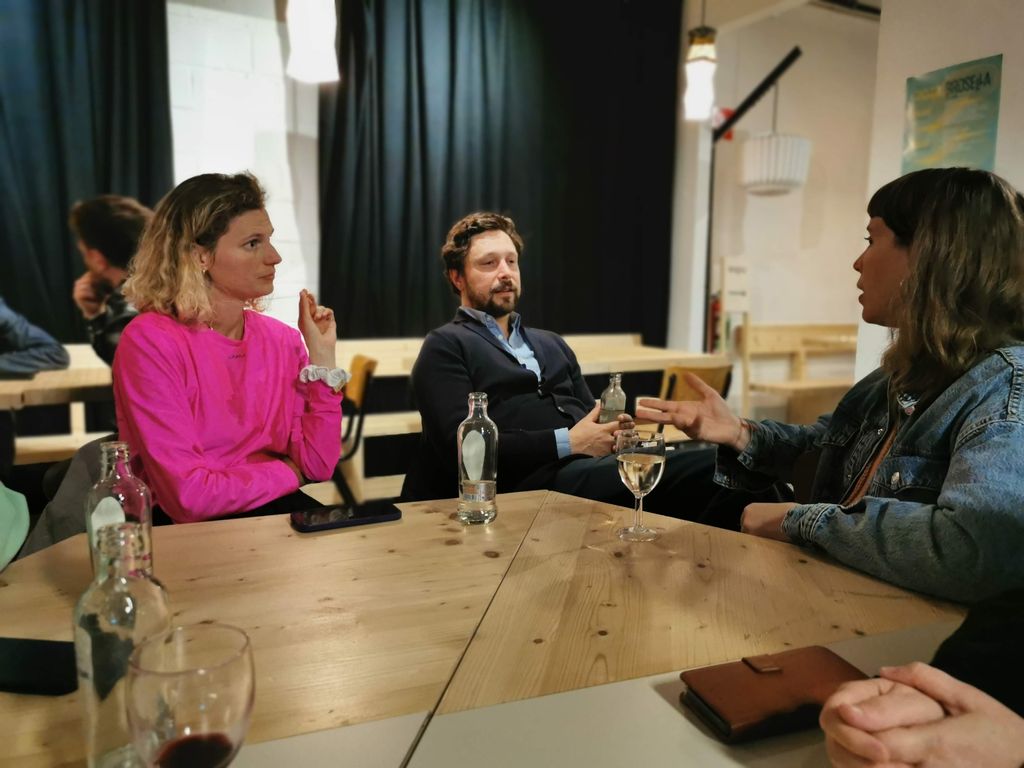
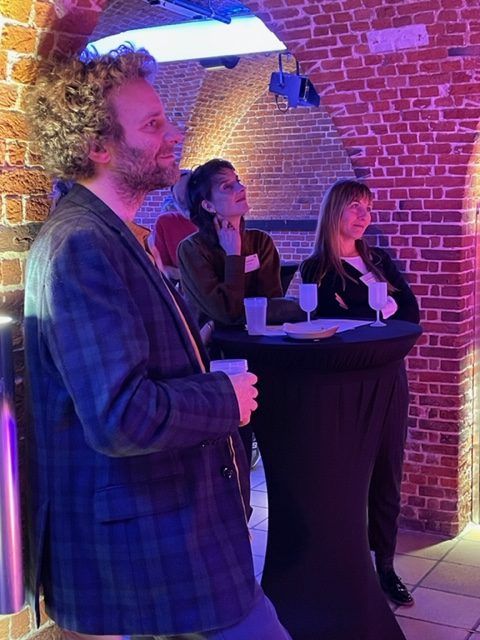
Organised twice a year, this networking event brings together players from all these sectors for an informal evening. The aim is to encourage the flow of ideas, encounters between disciplines and the emergence of new collaborations. It has become a key event for anyone wishing to be part of an open, dynamic and supportive creative ecosystem.
Multiple and inspiring collaborations
Over the years, these events have given rise to a variety of collaborations, sometimes unexpected, often cross-disciplinary, always stimulating.
While expanding professional networks and discovering new practices are among the most significant outcomes, the meetings have also led to very concrete results, such as deepening existing professional relationships and inspiring connections with agency teams, paving the way for new projects, some of which are still in the early stages but are fuelled by an ongoing dialogue.
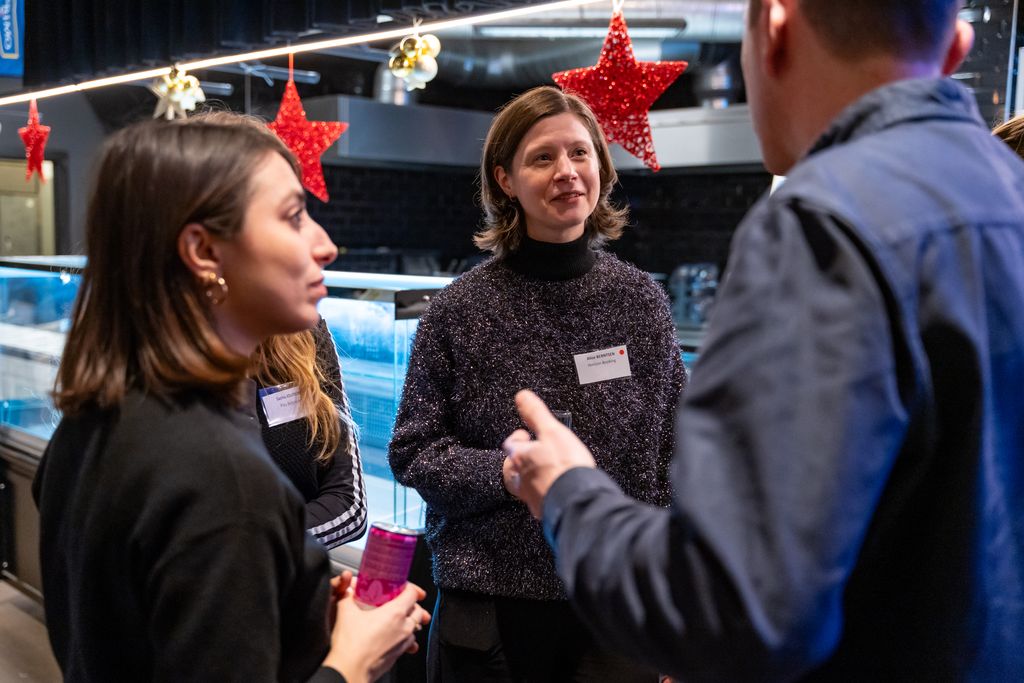
Some encounters led to tangible collaborations: work initiated with an architect, a commission for a text for a podcast project, participation in an internship or replacement in a stage production, a project to reprise a role in an artistic creation, in-depth discussions on the professionalisation of design professionals, new contacts useful for the distribution of a feature film or to support a performing arts tour.
In other cases, the benefits took a more unexpected form: for example, a diplomatic delegate met at a party acted as a facilitator in resolving a financial dispute with a foreign partner.
Through these exchanges, several participants also found advice, new professional perspectives, or even new critical perspectives on their practices. Finally, these meetings also encourage mutual visibility for projects. Some participants reported that professionals they met at the event subsequently came to see their shows or followed their news, thereby extending the connection initiated at the event in a very concrete way.
In short, whether formal or informal, immediate or long-term, the collaborations that arise from these encounters illustrate the power of cross-disciplinary exchange and the vitality of our creative ecosystem.